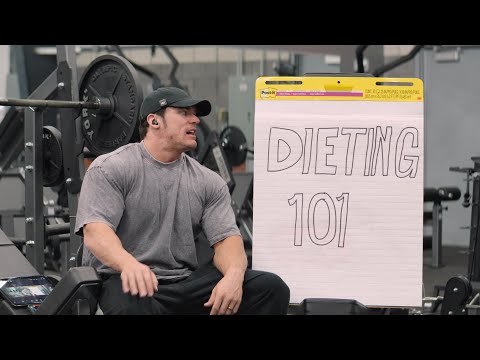
A 21-year-old bodybuilder struggling to breathe while standing and talking is hardly the image of peak physical fitness. Yet that is precisely the contradiction at the center of Freddy's latest commentary on extreme bodybuilding culture, performance-enhancing drugs, and the social media attention surrounding increasingly questionable health decisions. Through a combination of sarcastic humor, alarming footage, and pointed criticism, he examines how the pursuit of muscular development can overshadow basic concerns about physical well-being.
The discussion begins with a brief acknowledgment of Nick Walker's reported Olympia victory before shifting toward Ramon Dino's noticeably altered jawline. Freddy attributes the transformation to facial harmonization involving hyaluronic acid, criticizing the pursuit of exaggerated facial features. The segment establishes his irreverent approach, although the cosmetic procedure is discussed with more ridicule than explanation. A more serious concern follows with 16-year-old Eric English, whose reported steroid use and possible sleep apnea become the basis for criticism of both his decisions and a supplement company sponsoring him. Freddy raises legitimate questions about encouraging performance-enhancing drug use among teenagers, but the medical implications and sponsorship circumstances receive limited examination.
The central segment follows Oscar, a 21-year-old bodybuilder who has recently competed after what Freddy describes as extensive steroid use and previous negative health effects. Despite acknowledging Oscar's impressive muscular development, Freddy focuses on his visibly troubled skin, substantial post-competition weight fluctuations, and increasingly concerning physical presentation. Oscar's account of gaining 25 kilograms in two days provides one of the most startling moments, particularly alongside his descriptions of excessive eating and digestive discomfort. These details create a disturbing contrast between achieving a competitive bodybuilding goal and the apparent physical consequences surrounding it.
Oscar's labored breathing becomes the strongest element of Freddy's criticism. Rather than concentrating exclusively on appearance, he draws attention to the difficulty Oscar appears to experience during ordinary conversation. The footage gives viewers a concrete reason to question whether the pursuit of extreme size has become dangerous. However, visible breathing difficulties and rapid weight changes cannot establish their precise medical causes, and Freddy's commentary occasionally approaches diagnostic conclusions without presenting clinical evidence. The concern is understandable, but the distinction between observable symptoms and confirmed medical conditions deserves greater attention.
The social media dimension adds another meaningful layer. Freddy observes that Oscar's most troubling updates attract millions of views, apparently outperforming his ordinary fitness content. He questions the incentives created when increasingly extreme behavior generates attention and when someone displaying possible health problems also offers coaching services. This is one of the video's more thoughtful arguments because it moves beyond criticizing an individual and considers the broader environment that rewards spectacle. Unfortunately, the discussion stops short of exploring how audiences, sponsors, and fitness creators might collectively reinforce these patterns.
A later segment introduces former competitive bodybuilder Coach Barbara and her criticism of Kirill Tereshin, known for his artificially enlarged arms. Freddy largely agrees with her distinction between disciplined muscular development and cosmetic enlargement, while also acknowledging the role of performance-enhancing substances in competitive bodybuilding. His commentary on Barbara's own physique introduces an element of irony, although the insinuations about particular physical characteristics are not substantiated. The closing footage of a gym confrontation provides a lighter change of subject, with Freddy suggesting that both participants could resolve their disagreement through common sense and simply returning to their workouts. It offers a recognizable example of unnecessary gym conflict but feels disconnected from the more serious health discussion.
Freddy's greatest strength is his ability to make uncomfortable fitness subjects accessible through humor and direct commentary. His sarcastic observations, exaggerated comparisons, and rapid transitions maintain an energetic presentation even when the underlying material becomes disturbing. However, the same comedic approach sometimes weakens the seriousness of his concerns, particularly when personal ridicule competes with discussion of potential medical risks. The video is entertaining and occasionally insightful, but its reliance on selected social media clips, speculative interpretations, and loosely connected segments prevents it from becoming a comprehensive examination of steroid-related health consequences.
Pros
- Highlights concerning physical symptoms and extreme weight fluctuations associated with a young bodybuilder's reported performance-enhancing drug use.
- Raises important questions about teenage steroid use and the responsibility of companies that sponsor young fitness personalities.
- Identifies how social media attention can reward increasingly extreme and potentially harmful fitness behavior.
- Acknowledges the muscular development and competitive achievements of the individuals being criticized rather than dismissing their efforts entirely.
- Uses memorable humor, energetic delivery, and specific examples to make the commentary engaging.
- Recognizes the distinction between disciplined bodybuilding and artificial cosmetic muscle enlargement.
Cons
- Makes several health-related judgments without sufficient medical evidence to establish the causes or severity of the observed symptoms.
- Relies heavily on mockery and exaggerated jokes, occasionally undermining the seriousness of potential health risks.
- Provides limited explanation of specific performance-enhancing substances, their documented risks, or the medical significance of the symptoms discussed.
- Introduces cosmetic procedures, bodybuilding personalities, and gym confrontations without fully connecting them to the central argument.
- Speculates about individuals' physical characteristics and enhancement practices without consistently distinguishing suspicion from established information.
Freddy delivers an entertaining but troubling examination of extreme bodybuilding culture, using Oscar's apparent physical struggles to question whether muscular achievement is being prioritized over long-term health. His criticism of social media incentives and teenage performance-enhancing drug use gives the commentary meaningful substance, although speculative medical conclusions and relentless sarcasm weaken its credibility. The result is an engaging cautionary discussion that raises worthwhile concerns without providing the evidence or depth needed for a fully authoritative health analysis.