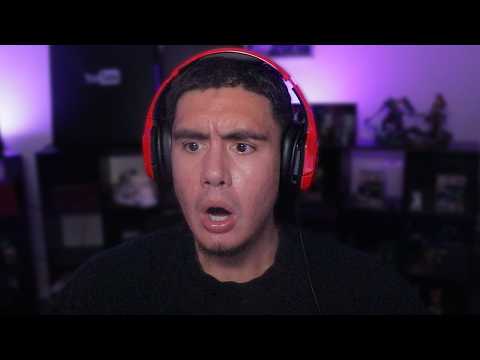
An immediate jumpscare catches the group so completely off guard that one reactor snaps his head away from the screen, setting an appropriately chaotic tone for what follows. The format is simple: watch gamers encounter monsters, sudden noises and unexpected attacks, then judge both the scare and the reaction. That simplicity works because the hosts are willing participants rather than detached commentators; several scares get them too, creating an amusing second layer in which people watching frightened players become frightened themselves.
The best clips combine a genuine threat with a memorable player response. A zombie unexpectedly jumping, a tiger charging in Red Dead Redemption 2, an enemy appearing through a sniper scope and a VR player simply removing the headset all produce stronger reactions than generic loud noises. The hosts recognize this distinction themselves, repeatedly noting when a scare would be much worse while actually controlling the character. Their discussion of invisible enemies, dark environments and the anxiety of turning every corner shows a basic appreciation for why anticipation can matter more than the eventual jumpscare.
Recognition also gives the commentary some personality. Games including Stalker, Fallout, Halo, Left 4 Dead 2, Alien: Isolation, Sniper Elite 5 and Phasmophobia prompt memories, comparisons and occasional stories about the hosts' own experiences. One particularly effective stretch revisits a game they remember playing long ago, while another leads into recollections of a frustrating section involving a gas-filled room. These tangents make the reaction feel more personal than simply laughing at strangers screaming.
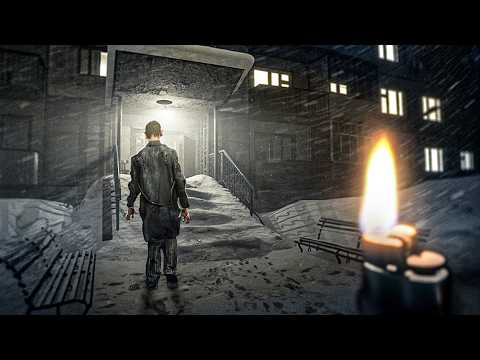
That looseness also creates the biggest structural weakness. The commentary frequently consists of quick identification attempts, repeated jokes, overlapping exclamations and brief remarks about how loud or frightening something looks. Stalker appears so often that its recurrence becomes a running joke, while the hosts themselves eventually observe that they seem to be watching one player's playthrough rather than a broader compilation. The repetition is funny for a while, but it reduces the sense of variety promised by a collection built around numerous gaming scares.
Several clips are also difficult to appreciate on their own merits because the action is extremely dark, visually unclear or stripped of enough context to explain the danger. The hosts sometimes cannot tell what caused a player to panic, and unidentified games are occasionally reduced to guesses or generic labels. Their confusion can itself be entertaining, but it means the presentation works much better as casual group banter than as a showcase of particularly clever horror design or memorable jumpscare construction.
The decision to continue into another compilation after finishing the first gives the reaction more material but also makes it feel increasingly uncurated. There are good moments in the second batch—including the hosts laughing at a player panicking so badly that a camera perspective changes and appreciating the comic timing of characters suddenly disappearing—but the rhythm remains essentially unchanged. By the end, even the hosts are asking for a compilation focused specifically on horror games, which implicitly identifies what would improve the concept: stronger selection, greater genre consistency and fewer recurring clips from the same games.
Pros
- The opening scare immediately establishes the hosts as genuine participants in the joke rather than detached observers.
- Personal memories of playing some of the featured games add context and make several reactions more distinctive.
- The hosts effectively recognize the difference between cheap loud scares and situations made frightening by anticipation, darkness, VR or invisible enemies.
- Several player reactions provide strong physical comedy, particularly panic exits, sudden camera movements and exaggerated responses to unexpected attacks.
Cons
- Repeated appearances from Stalker and several familiar games make the compilation feel less varied than it could be.
- Many stretches rely on overlapping exclamations, game-identification guesses and recurring jokes rather than developing the commentary.
- Extremely dark or context-poor clips sometimes leave both the hosts and viewer unclear about what actually caused the scare.
- Continuing into a second compilation adds length without substantially changing the format or improving its focus.
The hosts' genuine susceptibility to the scares gives this reaction more comic energy than a straightforward compilation watch, and their gaming experience occasionally adds useful context to the panic. A more selective collection centered on genuinely frightening horror games would better capitalize on that chemistry while avoiding the repetition and visual ambiguity that weaken the longer stretches.