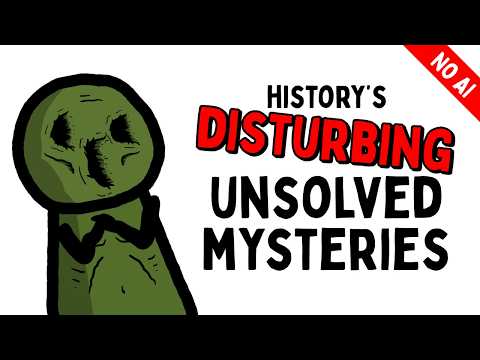
A condemned man's request for a bulletproof vest, Marie Antoinette apologizing to her executioner, and a Mars rover supposedly describing its fading battery make for an unusual collection of final statements. Raygasm's exploration of famous last words combines historical anecdotes, absurd comedy, and occasional philosophical observations about mortality. The reaction adds another personality to the experience, with spontaneous commentary ranging from genuine amusement to outrage over historical injustice. Together, these elements create an entertaining examination of how people confront death, although the historical reliability of the stories deserves closer scrutiny.
The central premise is that people rarely deliver the profound final statements popular culture expects. Unexpected deaths leave little opportunity for carefully chosen words, while even those anticipating their deaths may say something ordinary, embarrassing, or unintentionally funny. References to Albert Einstein's reportedly untranslated German words, Graham Chapman's apologetic profanity, and John F. Kennedy's final conversation illustrate this contrast effectively. The narrator's irreverent delivery gives these examples comedic momentum without requiring elaborate explanations, although the presentation sometimes treats traditionally attributed quotations as more certain than the available discussion establishes.
The reaction becomes particularly engaging when the subject turns to the Salem witch trials. Rather than simply laughing at the narrator's jokes, the commentator expresses genuine anger over the persecution of people accused of witchcraft. This leads to an extended investigation into the number of deaths, the ages of some accusers, and the methods supposedly used to identify witches. The discussion of spectral evidence, religious tests, and accusations motivated by revenge raises worthwhile questions about collective fear and failures of justice. However, the commentary occasionally oversimplifies the legal proceedings, and its discussion of water tests does not adequately distinguish practices associated with broader witch-hunting traditions from those specifically documented in Salem.
That historical detour is both one of the reaction's strongest moments and its most noticeable pacing problem. The commentator's disbelief feels authentic, especially when questioning the logic of tests that could condemn someone regardless of the outcome. Looking up additional information demonstrates curiosity beyond the immediate entertainment. Yet the increasingly repetitive expressions of outrage interrupt the original video's progression, and several historical claims are accepted from quick searches without examining their context or reliability. The discussion would be more informative with a clearer distinction between established historical details, popular misconceptions, and broader estimates of witch-hunt deaths.
The darker humor returns with stories involving James Rogers, Jack Daniel, Richard Loeb, and other figures whose reported final moments range from defiant to mundane. The commentator particularly enjoys Rogers' supposed request for a bulletproof vest, praising the idea of facing execution with a joke. These reactions work because they acknowledge the absurdity of the situations without attempting to turn every death into a profound moral lesson. Nevertheless, some anecdotes are presented with insufficient supporting context, and the distinction between documented last words, disputed historical quotations, and comedic dramatizations remains unclear. The treatment of Michael Jackson's final moments is especially confusing, as the reaction questions the quotation without establishing what was actually said.
The presentation becomes more thoughtful when it examines why society places such importance on final statements. The reference to the Mars rover Opportunity illustrates how people can assign emotional meaning even to machines, although its famous low-battery statement is better understood as a poetic interpretation of technical information rather than a literal spoken farewell. Marco Polo's reportedly defiant final words and the discussion of Zen Buddhist death poems broaden the subject beyond Western expectations. These examples introduce an interesting distinction between accidentally recorded final speech and deliberate messages intended to mark the end of a life. The cultural comparison is brief, but it provides welcome depth after the extended comedy.
The commentator's closing reflection brings the central idea into sharper focus. Rather than treating whatever someone happens to say immediately before death as a definitive statement about their existence, the reaction suggests that intentionally prepared farewell messages may carry greater meaning. This observation complements the narrator's conclusion that final words concern who gets to shape the ending of a person's story. The result is a surprisingly reflective finish to a presentation dominated by jokes, profanity, and exaggerated reactions. Despite uneven pacing and questionable historical precision, the combination of dark comedy, spontaneous curiosity, and genuine philosophical interest gives the experience more substance than its chaotic style initially suggests.
Pros
- The contrast between carefully imagined final statements and ordinary, unexpected last words provides a consistently entertaining central premise.
- Historical anecdotes involving Marie Antoinette, Graham Chapman, John F. Kennedy, and James Rogers create memorable opportunities for humor and reflection.
- The commentator's passionate response to the Salem witch trials adds emotional engagement and encourages consideration of historical injustice.
- Spontaneous research into witch-trial accusations and punishments introduces additional information beyond the original comedic presentation.
- The discussion of Opportunity, Marco Polo, and Zen Buddhist death poems expands the subject from individual quotations to broader questions about mortality and remembrance.
- The closing distinction between accidental final speech and intentionally communicated farewell messages offers a thoughtful interpretation of the video's central theme.
Cons
- Several famous quotations and historical anecdotes are presented without sufficient sourcing or acknowledgment that their authenticity may be disputed.
- The extended Salem witch trials discussion disrupts the pacing and repeats similar expressions of disbelief.
- Historical claims about witch-identification methods sometimes blur distinctions between Salem's documented proceedings and practices associated with other witch hunts.
- The frequent profanity and exaggerated reactions occasionally overshadow the more interesting historical and philosophical observations.
- Some potentially misleading examples, particularly Opportunity's supposed final words and the Michael Jackson quotation, receive insufficient clarification.
Raygasm's darkly comedic approach to famous last words provides an entertaining foundation for a reaction that balances laughter, historical curiosity, and occasional genuine reflection. The commentator's spontaneous personality makes the experience engaging, particularly when the discussion moves beyond jokes to questions about injustice and how people wish to be remembered. Although inconsistent historical verification and an overextended detour weaken its educational value, the presentation succeeds as an amusing and unexpectedly thoughtful exploration of humanity's fascination with final moments.