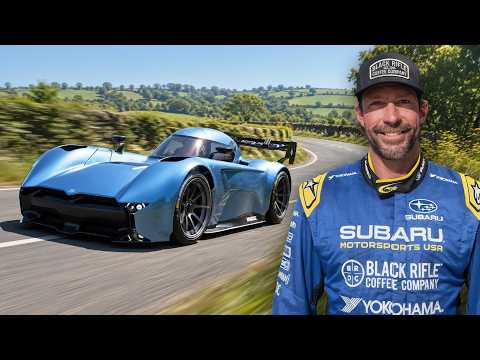
Ford’s pursuit of Nürburgring dominance has transformed the Mustang from a traditional muscle car into a machine aimed squarely at the world of exotic performance vehicles. The Competition version builds on the already extreme GTD formula with more aggressive aerodynamics, further engine development, weight reduction, and track-focused upgrades designed to chase every possible advantage. While the video presents the car’s rivalry with other high-performance machines as a major storyline, it also explores the deeper question of whether these halo vehicles have a meaningful role beyond bragging rights.
A major strength of the presentation is its detailed look at the engineering changes behind the Competition model. The discussion covers the revised front aerodynamic elements, redesigned rear wing components, carbon aero discs, near-slick road-legal tires, magnesium wheels, and lighter suspension parts. Rather than simply focusing on a lap time, the segment explains how each modification contributes to creating a faster and more capable package.
The Nürburgring achievement provides the dramatic centerpiece, with the video highlighting Ford’s improved lap time and positioning the car as a major player among American performance vehicles. However, the discussion also acknowledges that track records do not automatically determine how enjoyable or capable a car is in everyday driving. That balance helps prevent the performance figures from becoming the only measure of success.
The interview with Ford CEO Jim Farley adds another layer by examining why a company would invest in a vehicle that serves a relatively small audience. His explanation frames motorsport and high-performance projects as opportunities to improve engineering across Ford’s broader lineup rather than simply as marketing exercises. The conversation provides useful insight into the philosophy behind creating ambitious vehicles like this.
The video also succeeds in showing the human element behind performance numbers. The conversation about professional drivers, preparation, and experience on demanding tracks highlights that record-setting results depend on more than just hardware. It is a welcome reminder that a vehicle’s capability is shaped by both engineering and the people who push it to its limits.
Where the presentation is less convincing is in some of its broader claims about the importance of halo cars and racing influence. The argument that these projects benefit everyday vehicles is interesting, but the video largely relies on Ford’s perspective rather than examining specific examples of how these lessons translate into regular production models. Viewers looking for a deeper analysis of that connection may find the discussion somewhat one-sided.
The production delivers plenty of excitement for enthusiasts, combining close-up views of the car with technical explanations and a high-profile executive interview. At times, though, the focus on rivalry and lap-time competition overshadows practical questions about ownership, usability, and what makes the car special beyond being faster than competitors. A broader look at the driving experience would have made the review more complete.
Pros
- Provides a detailed look at the aerodynamic, mechanical, and weight-saving changes behind the Competition model.
- Balances the excitement of performance numbers with discussion about the limitations of lap-time comparisons.
- Features an informative interview that explores Ford’s philosophy behind building extreme performance vehicles.
- Highlights the importance of driver skill and preparation in achieving record-setting results.
Cons
- Relies heavily on Ford’s perspective when explaining the broader value of halo cars and racing programs.
- Gives limited attention to everyday driving experience, ownership considerations, and real-world usability.
- The focus on competitive lap times sometimes overshadows deeper discussion of the car’s character.
A technically detailed look at Ford’s most ambitious Mustang project, this review captures the engineering ambition and competitive spirit behind the Competition model. Although some broader claims about racing’s impact could use more evidence, the combination of performance analysis and executive insight makes it an engaging watch for enthusiasts.