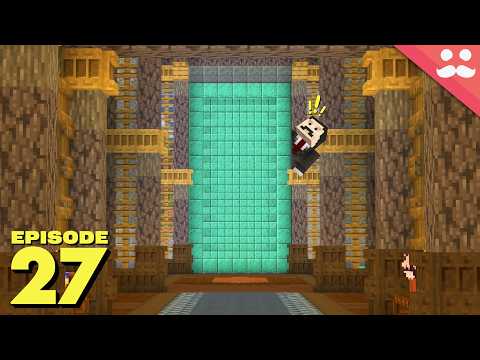
Transforming an enormous Minecraft survival base into a cohesive architectural masterpiece requires more than simply placing thousands of blocks. Gem’s latest Hermitcraft adventure demonstrates how carefully chosen details can dramatically improve an already impressive structure. With a towering Gothic-inspired fortress approaching a year of development, the focus shifts toward completing neglected exterior sections, improving architectural consistency, and experimenting with new materials. The result is a satisfying mixture of ambitious Minecraft construction, creative problem-solving, and entertaining multiplayer distractions.
The building project begins with a clear assessment of three unfinished areas: the rear wing, the western section, and the uppermost tower. Rather than attempting an unrealistic complete transformation, Gem approaches the work through manageable improvements, starting with missing towers, flying buttresses, and decorative trim. This practical structure gives viewers a useful understanding of the remaining challenges while establishing measurable progress throughout the episode. The enormous scale of the base makes even relatively small additions feel significant, particularly when previously incomplete architectural features finally begin matching their finished counterparts.
One of the most interesting aspects of the construction is Gem's attention to architectural consistency and material selection. Blackstone, deepslate bricks, stone bricks, and different wooden trapdoors contribute to the fortress's layered appearance, while small adjustments to tower decorations help unify the design. Gem openly discusses the frustrating material costs of crafting trapdoors and demonstrates how repeated construction gradually improves her techniques. Replacing earlier leaf-based solutions with more deliberate wall-block and nether-brick arrangements illustrates a thoughtful process of refinement rather than simply copying existing structures.
The experimentation with newer building materials provides another highlight. Pale-toned wood introduces subtle purple coloring that complements the darker nether-brick elements, while bright cinnabar creates a striking contrast against the fortress's established stonework and red roofing. Gem tests these combinations instead of immediately committing to them, evaluating their appearance from different distances before expanding the designs across multiple sections. The cinnabar accents prove especially effective around previously plain wall sections, adding visual interest without overwhelming the Gothic architecture. These sequences offer valuable inspiration for Minecraft builders interested in color harmony, depth, and the importance of viewing large creations from a distance.
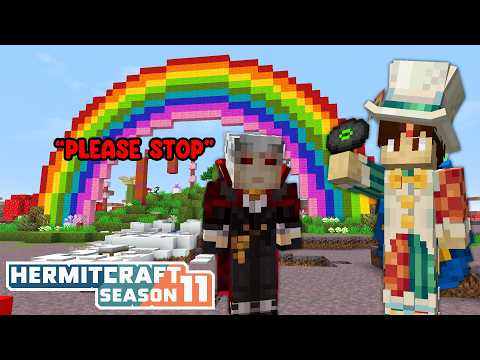
Construction occasionally takes a backseat to Hermitcraft's Halloween festivities, introducing an entertaining series of attempts to frighten other players. A collaboration involving Grian, Pearl, and Impulse produces unexpected complications when an elaborate trap fails and later succeeds in ways the participants did not anticipate. The resulting confusion, accidental scares, and frantic reactions provide genuine comedic energy. A separate interaction involving a large statue and the possibility of setting its wool construction on fire adds another amusing example of the server's playful relationships. However, these extended diversions interrupt the building progression, and viewers primarily interested in architectural development may find the repeated departures somewhat distracting.
The presentation succeeds because Gem remains enthusiastic and transparent about her creative decisions. She regularly compares completed and unfinished features, acknowledges earlier shortcuts, and explains why seemingly insignificant changes matter within a massive structure. The use of nighttime inspections is particularly rewarding, revealing how strategically positioned lighting enhances the fortress's atmosphere. There are moments when the repeated comparison of nearly identical towers and decorative elements slows the momentum, especially because much of the underlying construction process is condensed. Nevertheless, the combination of detailed commentary, visible experimentation, and sweeping exterior reveals makes the development easy to appreciate.
The closing stages deliver a convincing visual payoff as decorative spikes, additional lighting, symmetrical details, and new architectural accents bring the fortress closer to completion. Gem's excitement feels justified when the illuminated structure finally appears in its increasingly polished form. A final custom tree provides a smaller but pleasant landscaping achievement, reinforcing the gradual expansion of the surrounding environment. Importantly, Gem acknowledges that windows, interior-related details, and additional landscaping remain unfinished, preventing the presentation from suggesting that the entire project is complete. While the episode is more effective as an inspiring showcase of creative survival building than a comprehensive step-by-step tutorial, it captures the satisfaction of seeing a long-term Minecraft project steadily come together.
Pros
- The enormous Gothic-inspired survival base provides an impressive setting, with substantial architectural improvements that make the progress visually rewarding.
- Thoughtful experimentation with cinnabar, pale wood, nether brick, and other materials demonstrates effective approaches to color coordination and decorative contrast.
- Clear comparisons between unfinished and completed sections illustrate how relatively small changes can significantly improve a large-scale Minecraft build.
- Gem's willingness to revisit earlier construction decisions and refine existing towers highlights an engaging, iterative creative process.
- Halloween pranks involving Grian, Pearl, and Impulse introduce entertaining multiplayer interactions and spontaneous comedy.
- Nighttime exterior reveals effectively showcase the improved lighting, architectural depth, and imposing atmosphere of the fortress.
Cons
- Extended Halloween prank sequences occasionally disrupt the construction narrative and reduce the time devoted to architectural development.
- Repeated work on similar towers and decorative details creates some predictable stretches despite the satisfying overall transformation.
- Much of the actual construction is condensed, limiting the episode's usefulness for viewers seeking detailed building instructions or reproducible techniques.
- Several prominent exterior features remain unfinished, leaving the architectural transformation without a completely resolved conclusion.
Gem delivers an enjoyable and visually satisfying Hermitcraft installment that demonstrates how thoughtful detailing can elevate an already extraordinary Minecraft creation. The creative material experiments, increasingly cohesive Gothic architecture, and entertaining server interactions make the experience rewarding, even when lengthy distractions and abbreviated construction sequences affect the pacing. Although the fortress remains a work in progress, the substantial exterior improvements and infectious enthusiasm make this another strong chapter in an ambitious long-term building project.