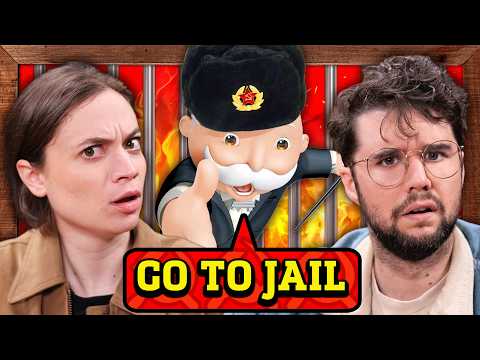
Mitch McConnell’s return to Congress provides an immediate target for a barrage of jokes about his appearance and limited interaction with reporters, establishing the segment’s preference for exaggerated visual comedy over careful political analysis. The puppet imagery and extended riff on his thumbs-up gesture are delivered efficiently, but the humor also leans heavily on speculation about what his visible behavior might mean. The footage itself does not establish McConnell’s condition, making the jokes more effective as irreverent comedy than as meaningful commentary on the concerns surrounding him.
The AI section has more substance beneath the punchlines. Statements attributed to current and former Anthropic personnel are used to frame the possibility of catastrophic AI risks, followed by discussion of proposed monitoring, regulation and international cooperation. Rather than simply accepting the industry’s warnings, the host offers a competing interpretation: executives could benefit from presenting their technology as extraordinarily powerful while facing pressure to produce financial returns. That skepticism creates an interesting tension, although neither the catastrophic-risk claims nor the alternative business-motive theory receives enough evidence here to resolve the question. Donald Trump’s remarks about AI then become the comedic centerpiece, with the segment criticizing his comparisons to earlier technologies and his reference to stopping dangerous machinery with a “little gear.”
The middle stretch shifts into rapid-fire administration and Trump-family stories. A report about Pete Hegseth seeking troops who meet particular physique and grooming requirements for a speech generates predictable casting-show jokes, while the Donald Trump Jr. wedding story focuses on a report that Umar Kremlev financed expensive post-wedding celebrations. Bettina Anderson’s distinction between the private wedding and celebrations hosted afterward becomes the basis for the satire, but the broader characterization of the arrangement as corruption is the show’s interpretation rather than a conclusion demonstrated within the segment. The pace remains lively, though moving through consequential allegations this quickly leaves little room to examine context or competing explanations.
Kash Patel’s Senate testimony supplies the most sustained comic premise. The discussion concerns reported changes to automatic FBI applicant disqualifications involving offenses or conduct including theft, solicitation of sex and bestiality, with senators questioning why those standards were altered. Patel’s responses are repeatedly mined for absurdity, especially his phrasing about which participants would be disqualified. The comedy is memorable and the hearing clips give the jokes something concrete to work from, but the fixation on bestiality overwhelms the more substantive question of exactly how the revised hiring standards operate and why they were changed. A lengthy detour into Senator John Kennedy’s social-media video about his dog pushes the gag even further from the policy issue.
A brief New York public-restroom story works as a lighter transition. The proposed modular facilities, QR-code access and reported ten-minute usage limit provide an easy setup for jokes about doors opening before occupants are ready. It is comparatively trivial material, yet its simplicity is useful after several politically dense subjects, and the escalating coffee-and-bathroom routine is one of the cleaner pieces of observational comedy in the program.
The closing discussion of the Iran war and disruptions to important shipping routes returns to much higher stakes. The segment cites a Congressional Budget Office cost estimate, rising diesel prices, threats involving the Strait of Hormuz and Bab el-Mandeb, and Houthi activity while arguing that the conflict has expanded far beyond the short, inexpensive war it says Trump initially promised. The geography jokes make an otherwise complicated subject approachable, particularly the running frustration about having to learn additional waterways as the conflict spreads. However, the presentation is openly argumentative: claims about responsibility for the war’s trajectory, economic consequences and the administration’s management are delivered as part of the satirical case rather than tested against alternative interpretations or additional evidence.
Pros
- The AI discussion introduces genuine uncertainty by questioning both catastrophic industry warnings and the incentives of the executives making them.
- Hearing clips give the Kash Patel material a concrete foundation and create several effective comedic exchanges without requiring elaborate setups.
- The public-restroom interlude provides a well-timed tonal break between heavier political subjects.
- Shipping routes and energy costs give the closing war commentary tangible subjects around which to organize otherwise complicated geopolitical material.
- Rapid pacing and recurring visual or verbal callbacks keep a wide-ranging collection of stories energetic.
Cons
- Jokes about Mitch McConnell infer heavily from his appearance and behavior without establishing what his condition actually was.
- Several serious political allegations and policy questions receive only enough context to set up the next punchline.
- The extended bestiality routine largely eclipses the more consequential question of how and why FBI applicant standards were reportedly changed.
- The Trump-family and Iran-war sections adopt strong interpretations without meaningfully examining competing explanations.
- The constant movement between unrelated stories makes the program entertaining but limits the depth available for any individual issue.
The strongest material pairs an inherently unusual news development with clips that allow the comedy to build naturally, while the AI discussion briefly adds useful skepticism toward competing narratives. Serious questions about federal hiring standards, political relationships and an expanding conflict are often simplified to sustain the pace, leaving the program considerably stronger as topical satire than as political analysis. Its energetic delivery produces memorable jokes, but viewers seeking a rigorous examination of the underlying claims will find important gaps.