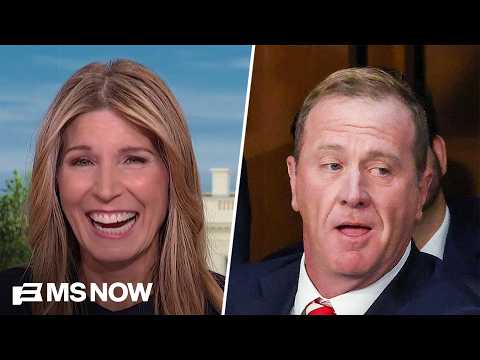
Political memes have become a prominent outlet for expressing frustration with American politics, and The Dangerous Ones embraces their potential for ridicule and social commentary. Hosts Jim, Tiffany, and Nick present a collection of memes targeting the Trump administration, Republican politicians, conservative political culture, and Democratic leadership. The presentation is unapologetically partisan, prioritizing humor and shared political frustrations over conventional political analysis.
The numbered meme format provides an accessible structure, with subjects ranging from Republican electoral setbacks and diversity initiatives to congressional influence and perceived conservative hypocrisy. Several selections effectively use irony to highlight apparent contradictions in political rhetoric. The hosts' spontaneous laughter and conversational exchanges create an informal atmosphere, although their reactions occasionally contribute little beyond expressing agreement with the underlying message.
The criticism is not exclusively directed toward Republicans. A meme involving Chris Van Hollen potentially replacing Chuck Schumer as Senate majority leader reveals dissatisfaction with established Democratic leadership. The subsequent discussion about abandoning bipartisan cooperation further illustrates the hosts' frustration with conventional political strategies. However, these exchanges provide little consideration of the practical consequences of rejecting cooperation or replacing existing party leaders.
The presentation becomes less convincing when humorous political observations develop into broader factual assertions. References to disruptions involving airlines, government agencies, banks, and technology companies suggest widespread institutional dysfunction without adequately establishing connections between these incidents and Republican governance. Similarly, comments concerning immigration enforcement recruitment bonuses and congressional financial influences receive insufficient supporting context.
American healthcare affordability provides one of the more relatable subjects. A meme comparing expensive overnight accommodations leads to a personal account of hospitalization and the financial importance of health insurance. This discussion gives the comedy a meaningful connection to everyday economic concerns, although the subsequent nostalgic reflections on earlier generations become increasingly generalized and move away from the original healthcare issue.
Some selections rely heavily on provocative humor, particularly those involving Charlie Kirk and immigration enforcement personnel. While political satire can legitimately challenge influential figures and government institutions, the more vindictive commentary occasionally overshadows the issues being discussed. Particularly concerning is the closing meme involving an alleged Russian spy, which prompts an explicit accusation that the hosts do not substantiate. The distinction between humorous insinuation and serious political allegation becomes unnecessarily blurred.
The chemistry between the three presenters remains central to the entertainment value. Their familiarity with one another encourages natural exchanges, and the closing listener message wishing Tiffany a continued recovery reinforces the sense of community surrounding the show. Nevertheless, extended discussions about illness, personal habits, and generational nostalgia interrupt the momentum, while repetitive laughter, profanity, and mutual agreement make portions of the presentation feel unnecessarily drawn out.
Pros
- The numbered meme format creates an accessible and entertaining framework for political satire.
- Several memes effectively employ irony to highlight perceived inconsistencies in conservative political rhetoric.
- The criticism of established Democratic leadership introduces some variety into the political commentary.
- The discussion of healthcare affordability connects internet humor with meaningful personal and economic concerns.
- The natural chemistry between the presenters creates an informal and occasionally amusing viewing experience.
- The closing listener message demonstrates the personal connection between the hosts and their audience.
Cons
- The overwhelmingly partisan perspective offers little consideration of alternative political interpretations.
- Serious allegations involving foreign influence and political corruption lack adequate supporting evidence.
- Suggestions that unrelated institutional disruptions reflect Republican governance are insufficiently substantiated.
- Personal ridicule and vindictive humor occasionally undermine the more constructive political observations.
- Extended personal tangents and repetitive reactions weaken the pacing.
- The rejection of bipartisan cooperation receives little examination of its potential political consequences.
An energetic but uneven collection of political satire, the presentation works better as informal entertainment than as substantive political commentary. Its creative memes, conversational chemistry, and occasional attention to everyday economic concerns provide genuine entertainment value, while unsupported allegations and excessive partisan hostility diminish its credibility. Viewers who appreciate irreverent anti-Trump humor will likely find considerably more enjoyment than those seeking nuanced political discussion.