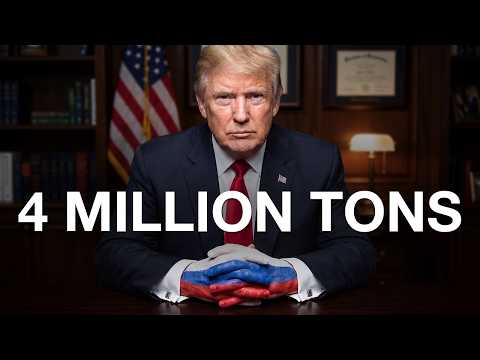
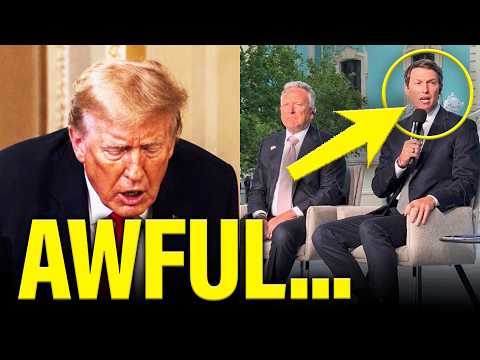
Donald Trump's promise to end the Russia-Ukraine war within 24 hours becomes an immediate target for ridicule as Have I Got News for You US examines the ongoing conflict, disrupted Starlink communications, and the administration's relationship with Vladimir Putin. The panel contrasts Trump's earlier confidence with the continuing war, using his insistence that the original promise was made in jest to expose the gap between campaign rhetoric and governing reality. The opening establishes the show's approach: political developments provide the foundation, but sharp jokes, exaggerated comparisons, and spontaneous exchanges carry the discussion.
The segment concerning Ukraine's disrupted access to Starlink introduces one of the program's more consequential subjects. Panelists discuss allegations surrounding Elon Musk's responsibility for interruptions affecting Ukrainian military operations, with David Pakman offering his understanding of the situation. The conversation raises legitimate questions about the risks of depending on privately controlled communications infrastructure during wartime. However, the discussion moves quickly from disputed responsibility to criticism of Trump and Musk without establishing a detailed timeline or independently substantiating the competing claims. The jokes about phone hotspots and Trump's supposed conversation with Musk are entertaining, but the underlying issue deserves more careful explanation.
Russia's release of American detainee Stephen Hubbard provides a stronger opportunity for the panel to acknowledge political complexity. The participants recognize that bringing an American home is a positive outcome while questioning the diplomatic concessions reportedly involved. Particular attention goes to special envoy Steve Witkoff's description of Putin as a humanitarian, which becomes the basis for some of the segment's most pointed satire. The panel also challenges Trump's claim that the United States gave Russia nothing in exchange, discussing sanctions relief and diesel exports as alleged elements of the arrangement. These assertions are presented confidently, although the precise connection between the reported concessions and Hubbard's release is not fully documented within the discussion.
The second major portion shifts toward Trump's campaign appearances ahead of the midterm elections, where promises of state-specific benefits become the central comedic device. Kansas voters are presented with the prospect of permanent year-round E15 fuel sales, Kentucky is offered a proposed pharmaceutical manufacturing investment, and Ohio receives the possibility of hosting a Space Force Academy. These examples give the political criticism useful specificity, demonstrating how the panel believes government initiatives are being tied to Republican electoral victories. The recurring joke that Trump's promises depend on an enormous election gamble effectively captures the panel's skepticism, although the discussion does little to examine whether the proposals have independent policy or economic merits.
One of the funniest detours involves Trump's elaborate praise of Senator Jon Husted's physique. His remarks about the senator's muscular build, legs, shoulders, and backside provide the comedians with material that requires little embellishment. The panel's escalating reactions turn an unusual political endorsement into an extended exchange about physical attraction, presidential behavior, and unconventional qualifications for public office. This sequence showcases the cast's improvisational chemistry, particularly when jokes build naturally from one participant's observation to another's increasingly ridiculous interpretation. Nevertheless, the extended diversion also illustrates the show's willingness to sacrifice substantive political analysis for a successful comedic tangent.
Trump's warnings about potential unrest following a Republican defeat introduce a more serious electoral concern. The program plays his comparison between Democratic political ambitions and violent scenes in France, allowing the panel to challenge the alarming rhetoric through sarcasm and references to previous election-related controversies. Additional comments about polling trends suggest that Trump's appearances may be damaging Republican prospects, but those claims are not accompanied by specific polling figures or methodological context. The closing voter interviews provide an amusing contrast between political messaging and everyday economic concerns, especially when one interviewee struggles to explain how supporting Republicans would lower prices. Despite these effective moments, the commentary consistently favors an anti-Trump perspective, leaving little room for alternative interpretations of the administration's decisions or its supporters' priorities.
Pros
- Uses specific political developments, including Ukraine's Starlink disruptions, Hubbard's release, and proposed state-level investments, to give the satire recognizable substance.
- Effectively contrasts Trump's earlier promise to end the Russia-Ukraine war quickly with the continuing conflict and his subsequent explanation of that pledge.
- Acknowledges the positive outcome of an American detainee's release while questioning the diplomatic conduct and reported concessions surrounding it.
- Features lively panel chemistry, spontaneous exchanges, and memorable jokes about Trump's unusual campaign remarks.
- Incorporates political clips and voter interviews that allow public figures and ordinary citizens to provide material for the humor.
Cons
- Discusses disputed Starlink responsibility and reported sanctions concessions without sufficiently establishing the evidence or chronology behind those claims.
- Presents polling trends and electoral predictions without specific figures or supporting context.
- Maintains a strongly one-sided political perspective, limiting the range of viewpoints and the depth of its analysis.
- Occasionally allows extended comedic tangents to overshadow potentially important policy questions, particularly concerning wartime communications and government investment.
Have I Got News for You US delivers an energetic and frequently amusing examination of Trump's foreign policy rhetoric, controversial diplomatic relationships, and election-season promises. The panel's chemistry and well-chosen political clips create several memorable moments, while the coverage of Ukraine and state-specific campaign incentives provides meaningful subjects beneath the comedy. Its limited evidentiary depth and consistently partisan framing make it more effective as political entertainment than balanced analysis, but the sharp exchanges and topical material produce an engaging installment.