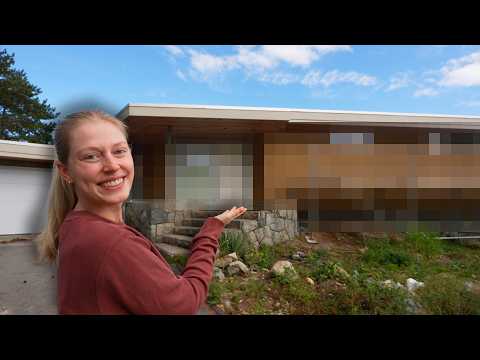
With the roof complete and water intrusion apparently resolved, the project naturally shifts from emergency repairs to rebuilding the home's interior. Rather than chasing dramatic before-and-after reveals, the video concentrates on methodical demolition, reframing, and layout decisions. That slower pace works because each task is tied to a clear objective, giving viewers an understandable sense of how the renovation is moving from stabilization toward creating functional living spaces.
The presentation is strongest when explaining why changes are being made instead of simply documenting the work. Expanding the mudroom, resizing the laundry area, relocating the bathroom door, and improving circulation through the house are presented as practical design choices rather than cosmetic upgrades. The host and their father maintain an easy conversational rhythm while working together, making the construction process approachable without overstating the difficulty or pretending every decision is final.
Much of the episode is devoted to demolition and framing, but the commentary keeps those repetitive jobs engaging by pointing out details uncovered during the teardown. Discovering improvised framing from an earlier addition, discussing unusual trim profiles, and noting where previous builders reused available materials adds historical context to the house without turning speculation into certainty. Observations about handcrafted trim or construction methods are clearly framed as possibilities rather than established facts.
One of the video's more convincing moments comes after heavy rainfall, when the newly installed roof appears to have prevented further leaks. The dry interior provides reasonable evidence that the recent roofing work was successful under those conditions, although the video appropriately stops short of claiming the roof is permanently problem-free. Likewise, discussions about reinforcing walls and adjusting framing remain grounded in what is being built rather than making sweeping engineering claims.
The renovation planning also benefits from restraint. Instead of rushing into expensive foundation work, the host explains the intention to seek another professional opinion before deciding how to repair the bowed basement wall. That cautious approach acknowledges both the cost and complexity of structural repairs and distinguishes future plans from completed work. The same practical mindset appears in updates about scheduling plumbers and electricians, reinforcing that many stages of the renovation depend on qualified trades.
The only notable interruption is the sponsored dog-food segment, which arrives in the middle of the construction work and noticeably breaks the episode's momentum. Elsewhere, the pacing occasionally slows as lengthy framing sequences repeat similar actions without much visual variety. Even so, the steady progress, frequent layout explanations, and enthusiasm for design choices—particularly the planned exterior doors and reconfigured entryway—give the episode a satisfying sense of forward movement despite relatively modest visible transformation.
Pros
- Clearly explains the reasoning behind layout changes instead of simply documenting construction progress.
- Maintains an engaging, collaborative dynamic between the host and their father throughout the renovation.
- Grounds renovation updates in observable progress, such as the successful post-rain roof check and completed framing work.
- Demonstrates sensible planning by seeking additional professional advice before committing to costly foundation repairs.
Cons
- The lengthy sponsor segment interrupts the flow of the renovation narrative.
- Extended framing and demolition sequences occasionally become repetitive before reaching the next major milestone.
- Several design ideas are introduced but remain conceptual, limiting how much finished transformation viewers see in this installment.
This installment succeeds by treating renovation as a series of practical decisions rather than a collection of dramatic reveals. Its careful explanations, measured planning, and steady construction progress make for an informative update, even if the repetitive work and slower pacing reduce some of the visual excitement.