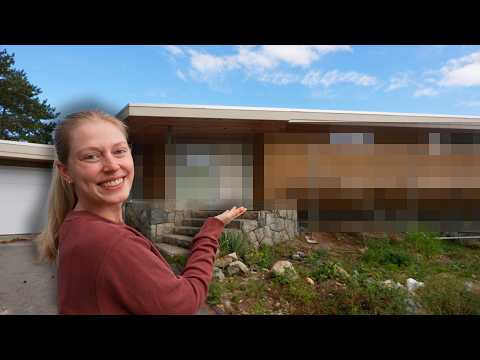
A room originally designed to function as an office now has a much more personal destination: it is intended to become a nursery by December. That revelation gives years of renovation work a clearer emotional purpose, connecting the couple’s decision to tackle an abandoned house with their early conversations about eventually starting a family. Their excitement after reporting encouraging results from the 20-week scan feels sincere without completely displacing the practical renovation work that remains central to the series.
The pregnancy also introduces a believable new constraint on the project. Jenna describes severe nausea lasting through much of her first trimester, while Nick explains the frustration of watching her struggle without being able to solve the problem. She says medication eventually brought substantial relief and describes her current dose as very low and safe, but because neither the medication nor supporting medical guidance is identified, that safety characterization should be understood as her account rather than general medical advice. More importantly for the renovation narrative, her experience helps explain why Nick has taken on more work and why finishing the interior by December suddenly matters.
That deadline gives otherwise routine construction tasks a welcome sense of momentum. Much of the work focuses on finishing the underside of the balcony with flashing, strapping, cedar soffits, wiring, and pot lights. The sequence is strongest when complications emerge naturally: awkward access near the cliff, wood that does not reach far enough, a final oversized gap requiring an improvised trim piece, and the need to avoid puncturing the waterproof membrane above. Watching those problems get solved makes the finished cedar and lighting feel earned rather than simply presented as another completed section.
There is also useful practical detail scattered through the work. Nick explains why enclosed wood-framed cavities need ventilation, demonstrates the balcony drainage outlets, and discusses buying silicone in larger “sausage” packages for extensive sealing work. The unexpected rain even provides an informal demonstration of how water beads on the treated cedar compared with an untreated piece. These observations make the construction process accessible, although they remain informal explanations from the homeowners rather than a comprehensive guide to building standards or best practices.
The domestic material surrounding the construction gives the installment its characteristic lived-in atmosphere. Conversations about their dogs, a lost tooth that prompts plans for another veterinary dental check, lunch, date night, and future posting schedules repeatedly interrupt the job. Some of those diversions reinforce the larger theme of a house gradually becoming a family home, but others loosen the pacing considerably. The Factor sponsorship is especially conspicuous because its extended nutritional and promotional claims arrive immediately after the pregnancy discussion; those claims are presented as sponsor messaging rather than independently demonstrated within the content.
Their discussion of how parenthood may affect the channel is refreshingly cautious. Instead of guaranteeing an uninterrupted schedule, they hope to prepare videos through the end of the year, anticipate roughly a couple of weeks away around Christmas, and acknowledge that January may be inconsistent before a hoped-for return to normal in February. That willingness to admit uncertainty fits the broader tone of a project where deadlines regularly encounter unexpected work. By the end, the completed cedar soffit and lighting offer satisfying visual progress, while the unfinished siding, exposed trim, and remaining exterior details keep the renovation from feeling artificially wrapped up.
Pros
- Connecting the future nursery to the original motivation for buying and renovating the house gives the long-running project genuine emotional context.
- The balcony work includes specific, understandable problems and solutions involving flashing, strapping, drainage, cedar, wiring, and difficult gaps.
- The couple is candid about how pregnancy has affected their workload and avoids pretending their future production schedule is certain.
- Small construction observations and demonstrations make routine finishing work more informative and engaging.
Cons
- Frequent diversions into pets, meals, scheduling, and other daily-life material sometimes weaken the momentum of the renovation work.
- The lengthy sponsorship interrupts an especially personal portion of the story, while its health and nutrition claims are promotional rather than independently supported here.
- Jenna's statement that her nausea medication is very safe lacks enough information to evaluate beyond her own experience.
- Some construction explanations are useful but informal, leaving important methods and recommendations without much technical context.
The shift from renovating an ambitious property to preparing an actual family home gives the ongoing construction a stronger emotional foundation without abandoning the hands-on problem solving that makes the series work. Its casual tangents and intrusive sponsorship dilute the pacing, but the combination of meaningful personal change, tangible progress, and honest uncertainty makes this a particularly consequential chapter of the project.