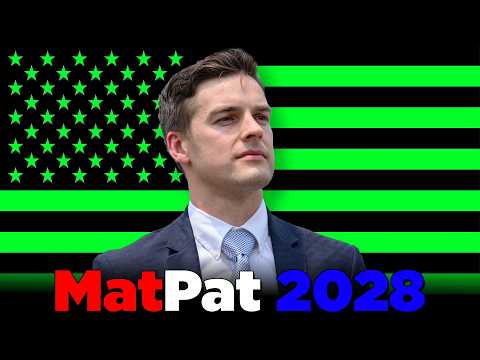
A cluster of reported outages sends the host looking for a mundane explanation. She describes how layers of aging technology, urgent patches, and thinly staffed teams might produce disruptions that look connected. The Y2K comparison makes her point about preventive work memorable, especially her observation that people rarely get credit for failures they avert. She acknowledges the limits of her technical expertise, although the discussion offers little incident-specific evidence to show which outages fit her explanation.
The permitting discussion gives a viewer’s question about bipartisan support for the BAJA Act a concrete answer. As the host explains it, faster approvals appeal to backers of oil and gas projects, while protection against later cancellations appeals to Democrats concerned about offshore wind. She gives both sides of that bargain room before explaining why she thinks the bill would weaken the ability of tribes and preservation and environmental groups to challenge projects. Her preference for a rewrite is clear, but her admission that she has only made a preliminary pass through the bill leaves some of its proposed restrictions loosely defined.
The chat finds firmer footing when it turns to what Democrats could do with committee control. The host makes a practical case for hearings by explaining how subpoenas can bring testimony and documents into public view. Her discussion of Pete Hegseth uses a reportedly unseen legal memo on the Caribbean boat strikes to illustrate why gathering records might matter before an impeachment vote. The distinction between impeachment and conviction is helpful, though the passing description of a veto override as a “majority vote” is too imprecise for a discussion about the limits of congressional power.
The clearest organizing move comes when the host explains that Project 2025 is a policy blueprint and the One Big Beautiful Bill Act is enacted legislation. That distinction gives viewers a way to follow her argument as she moves from Medicaid and food assistance to the broader role she believes Project 2025 envisions for government. Her air traffic control example puts a tangible question at the center of the privatization debate. If a contractor owns infrastructure the public pays to use, who controls it over time? The host also treats Starlink’s reported work on the system and its possible involvement in an outage as separate factual questions.
The evidentiary standard slips when the host moves from questioning the price paid for a warehouse to suggesting that the difference likely flowed back to political allies. The price gap she describes gives her a reason to ask where the money went, but the discussion supplies no records tracing it. The foreign-policy turn has a similar problem. She marks her theory about Ukrainian intentions at the bridge to Crimea as conjecture, then speaks with considerably more certainty about Trump’s role in sustaining Putin.
The live format gives viewers a hand in setting the agenda and lets the host address concrete concerns about healthcare, taxes, and representation. It also leaves some answers stranded between more developed topics. The question about veterans in Congress, for instance, leads to an interesting argument about patriotism and public service without furnishing a count. The closing account of Civil War–era tax demands gives the discussion a stronger historical through line by showing how the host connects public pressure to decisions about who pays for government.
Pros
- The Y2K analogy makes the value of preventive technical work easy to grasp.
- The permitting discussion explains why oil and gas advocates and offshore wind supporters might back the same bill.
- The example of the reportedly unseen legal memo gives the discussion of congressional subpoenas a concrete purpose.
- The distinction between a policy blueprint and an enacted law clarifies a central point of confusion.
- The air traffic control example makes the long-term ownership stakes of public contracts tangible.
Cons
- The opening groups several outages under a plausible explanation with little evidence connecting individual incidents to it.
- The veto discussion leaves the override threshold unclear.
- The warehouse example suggests a flow of money to political allies without tracing any payments.
- The rapid shifts between viewer questions leave some answers, including the one about veterans in Congress, underdeveloped.
The chat is most valuable when the host shows what institutional power looks like in practice, from obtaining a withheld memo to deciding who owns infrastructure built with public money. Her openly argued perspective gives the discussion energy, though her confidence sometimes runs ahead of the evidence she presents.