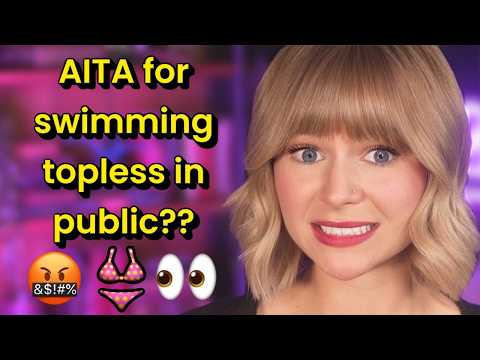
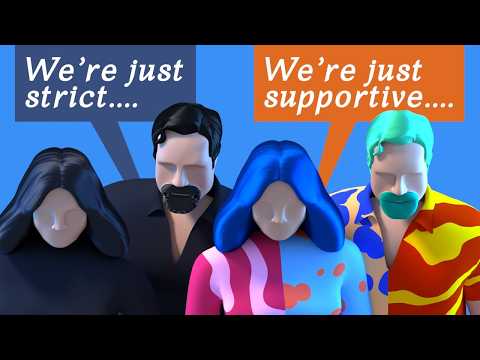
The appeal of this reaction-style exploration of strict parenting comes from its attempt to examine the extreme differences between family rules, discipline, and cultural expectations. Rather than simply presenting harsh parenting moments as either funny or shocking, the video uses personal comparison and humor to highlight how differently children can experience authority within their homes.
The discussion is strongest when it connects the clips to the host’s own childhood experiences with strict parents. These personal observations provide a relatable perspective and help explain why certain situations appear surprising, especially when comparing different ideas of discipline, respect, and family boundaries. However, the commentary remains focused mainly on reactions rather than deeper analysis of why these parenting styles develop or how common they actually are.
Many of the featured moments are presented for their shock value, including intense arguments, threats of punishment, restrictions on privacy, and dramatic reactions to choices involving appearance or relationships. The exaggerated nature of some clips creates entertaining reactions, but it also makes it difficult to determine whether they represent typical strict parenting or unusually extreme examples selected for entertainment.
The video effectively captures the humor that can come from looking back at childhood experiences that once felt serious. The host’s reactions often balance disbelief with recognition, allowing viewers from different backgrounds to compare their own family experiences. This approach makes the content accessible, although some situations involving physical punishment or controlling behavior could have benefited from more thoughtful discussion beyond the comedic framing.
Cultural differences are an important underlying theme throughout the video, particularly in the comparisons between households with different expectations around obedience and respect. The commentary acknowledges that strict parenting can vary significantly between families and communities, but it does not explore the wider social factors behind those differences in much detail.
The fast-paced editing and informal presentation keep the video engaging, with each clip creating a new opportunity for reaction and comparison. The format works well as entertainment, but the lack of broader context means the video is more of a collection of surprising examples than a comprehensive examination of parenting methods.
Ultimately, the video succeeds because it combines personal storytelling with entertaining reactions to familiar family conflicts. It encourages viewers to reflect on their own upbringing, even if it does not fully explore the psychological, cultural, or long-term effects of the parenting styles shown.
Pros
- Uses personal experiences to create a relatable comparison with the featured parenting situations.
- Highlights how family rules and discipline can vary widely between households and cultures.
- Maintains an entertaining pace through humor, reactions, and surprising examples.
- Encourages viewers to reflect on their own childhood experiences.
Cons
- Focuses more on shock and comedy than on deeper analysis of strict parenting practices.
- The extreme examples may not represent the wider range of parenting styles.
- Some serious topics, including physical punishment and excessive control, receive limited discussion beyond reactions.
This is an entertaining look at extreme parenting moments that works best as a personal reaction rather than a detailed exploration of family dynamics. The humor and cultural comparisons make it engaging, but a deeper discussion of the consequences and motivations behind strict parenting would have added more substance.