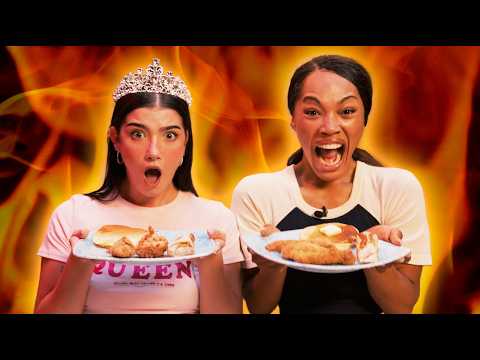
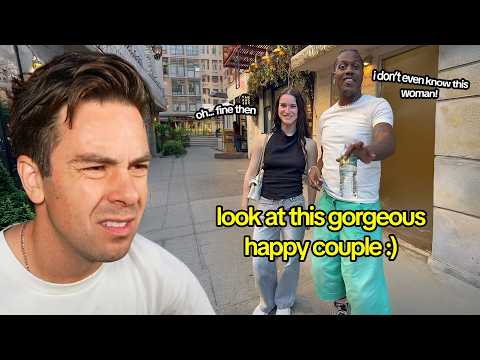
Toast becoming “chic,” ponytails apparently requiring public approval, and chicken meatballs turning into a celebrity-branded event sound absurd in isolation, but together they form the core of the argument here: social media trends increasingly dictate not just what people buy or wear, but how they present their entire identities. The examples involving Kylie Jenner, Hailey Bieber, Stanley cups and TikTok’s constant “what are we wearing?” phrasing make that argument immediately recognizable. The presentation is exaggerated for comedy, but the central observation is more specific than a generic complaint about people following trends.
The bee-colony metaphor gives the discussion an effective structure. Ordinary users become “worker bees,” mid-level lifestyle influencers become “drones,” and Hailey Bieber is cast as the queen whose smallest choices are rapidly copied and redistributed. It is deliberately ridiculous, but it helps connect celebrity influence, affiliate-driven content and audience participation into one ecosystem rather than treating them as separate phenomena. The weakness is that the metaphor sometimes pushes the commentary toward caricature, especially when followers are described as effectively incapable of independent thought.
The strongest sections focus on the language people use around trends. Questions such as “what are we wearing?” or whether “we” can bring back a ponytail reveal the social pressure more clearly than any individual product example. The argument that preferences are increasingly framed as collective decisions is persuasive because it examines behavior rather than simply mocking fashion choices. The same point carries into hobbies, reading, Pilates, matcha and aesthetic identities, where the presentation argues that an interest can arrive packaged with a recognizable set of clothes, routines, products and attitudes.
Consumerism is another convincing part of the discussion. The Stanley-cup example illustrates how a reusable product can become collectible merchandise, while the creator also acknowledges her own tendency to overbuy other trendy objects. That self-implication prevents the criticism from becoming entirely self-righteous. The broader claim that influencers benefit from endlessly replacing one micro-trend with another is plausible within the examples presented, although the presentation does not provide enough evidence to establish how much responsibility influencers have compared with brands, algorithms or consumers themselves.
The historical progression from celebrity haircuts to paparazzi culture, reality television, YouTube and TikTok gives the argument its most ambitious dimension. The suggestion is that people once copied fragments of celebrity identity because fragments were all they could see, whereas modern platforms expose entire lifestyles that can now be imitated wholesale. Jennifer Aniston’s haircut, early celebrity magazine culture, the Kardashians and older YouTube personalities are used to illustrate that shift. It is an engaging framework, though it remains an interpretation rather than a demonstrated historical explanation, and some of the claims about earlier generations being more individual are heavily influenced by personal recollection.
The final section becomes more serious when it turns toward young users, algorithmic recommendation and fear of appearing “cringe.” The argument that teenagers may gravitate toward safe, recognizable identities because experimentation can now be recorded and mocked by enormous audiences is one of the most thoughtful ideas in the piece. A claimed study finding that more than half of Gen Z respondents have withheld interests or opinions because of fear of seeming cringe would strengthen that point considerably if its source and methodology were provided. Without that context, it should be treated as a reported statistic rather than firm evidence for the wider conclusion.
Pros
- Concrete examples involving ponytails, toast, Stanley cups, beauty routines and celebrity food trends make an abstract argument about conformity easy to understand.
- The bee-colony structure effectively connects celebrities, lifestyle influencers and ordinary users within one social-media ecosystem.
- Analysis of phrases such as “what are we wearing?” identifies a subtle form of group conformity rather than merely criticizing popular fashion.
- The creator acknowledges her own susceptibility to trends, which adds useful self-awareness to the consumerism discussion.
- The progression from traditional celebrity culture through reality television, YouTube and TikTok gives the commentary a broader explanatory framework.
- The discussion of teenage experimentation, public embarrassment and fear of appearing cringe gives the closing argument more depth than simple trend mockery.
Cons
- Repeated jokes about mind control, hive minds and people becoming identical sometimes exaggerate the case beyond what the examples can support.
- Several broad claims about past generations having more individual hobbies, personalities or media habits rely largely on personal observation.
- The role of algorithms, influencers and consumer culture is discussed persuasively but without much concrete evidence separating their respective effects.
- The cited Gen Z statistic is presented without identifying the study, sample or methodology.
- Hailey Bieber becomes such a dominant example that the argument occasionally risks confusing unusually strong celebrity influence with a universal social-media pattern.
- Some sections repeat the same conformity argument through multiple similar examples, making the middle portion longer than necessary.
The commentary turns a collection of ridiculous social-media trends into a thoughtful argument about how algorithms, influencer culture and fear of embarrassment can make identity feel increasingly standardized. Its strongest observations are grounded in specific language and behavior, while its broader historical and generational conclusions sometimes reach beyond the evidence provided. The result is funny, memorable and genuinely thought-provoking, even if a more disciplined use of evidence would make its cultural diagnosis considerably stronger.