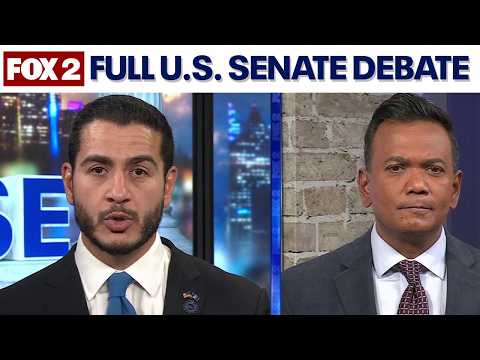
Climate change, healthcare, political spending, and the future direction of American parties are all examined through a strongly opinionated but wide-ranging discussion that attempts to connect current events with broader historical trends. The conversation is built around answering audience questions, giving it a town-hall feel rather than a structured lecture. That approach creates an accessible format, although the rapid movement between topics sometimes makes the overall argument feel more like an extended stream of analysis than a tightly organized presentation.
A major focus is the idea of the Overton Window and how political ideas can shift from fringe positions into mainstream debate. The discussion uses this concept to explain changing party platforms and voter expectations, offering a useful framework for understanding political change. However, many of the conclusions about which party has moved further and why are presented from the speaker’s own political perspective rather than through a neutral comparison of competing interpretations.
The sections on money in politics provide some of the clearest explanatory moments. The conversation explains how campaign spending, advertising, voter outreach, and donor networks influence elections, while also discussing the possibility that grassroots organizing can sometimes overcome large financial advantages. The example of candidates with major fundraising differences receiving unexpected primary results helps illustrate the broader argument, though the discussion could have benefited from more examples or data beyond individual races.
The discussion expands into healthcare, public health, food safety, and climate issues, where the speaker argues that policy decisions have long-term consequences for ordinary Americans. These sections raise important questions about government responsibility and public services, but several claims about current policies, economic effects, and public health outcomes would require additional evidence and context to evaluate fully. The presentation often moves quickly from a specific concern to a larger political conclusion without fully exploring alternative explanations.
The conversation is strongest when it focuses on how voters respond to practical issues such as housing, healthcare costs, environmental concerns, and local impacts of major infrastructure projects. The speaker highlights how political movements can evolve when candidates address everyday concerns rather than only ideological debates. This provides an interesting perspective on how public priorities may influence future elections, even if the predictions about where those trends will lead remain uncertain.
Historical comparisons are another recurring feature, including references to past political eras, taxation policies, and changing definitions of mainstream political ideas. These comparisons add depth and show an effort to place current events in a larger context. At times, though, the historical framing is selective, emphasizing examples that support the speaker’s argument while leaving less room for discussing the complexities and disagreements surrounding those periods.
The presentation style is conversational, personal, and clearly aimed at an audience that follows ongoing political developments. The informal corrections of earlier mistakes and willingness to acknowledge uncertainty create a more human tone, while the direct language and strong conclusions will likely appeal most to viewers who already share similar concerns. Those looking for a balanced debate format may find the discussion less satisfying because opposing viewpoints are rarely explored in equal detail.
Pros
- Explains political concepts such as the Overton Window and campaign spending in an accessible way.
- Connects broad political debates to practical issues involving healthcare, food safety, housing, and climate concerns.
- Maintains an engaging conversational style that makes complex topics easier to follow.
Cons
- Many political conclusions rely heavily on the speaker’s viewpoint rather than presenting multiple sides of contested issues.
- Some factual claims about current events, policies, and public impacts would benefit from additional evidence and context.
- The wide range of topics sometimes makes the discussion feel scattered rather than tightly structured.
This is an engaging political conversation that succeeds at connecting current debates with larger questions about government, voters, and social change. Its strongest moments come from explaining ideas and trends in an approachable way, but viewers should approach its more controversial claims with awareness that they reflect a particular political perspective.