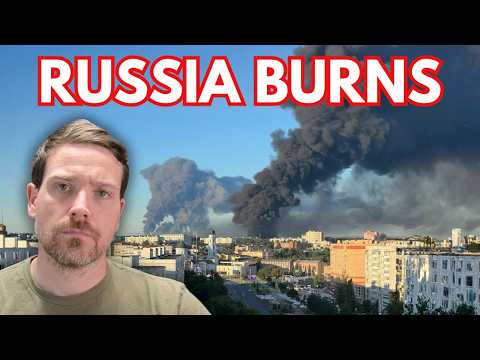
The video presents a detailed examination of a reported Ukrainian strike against Russian military-related infrastructure and uses the event as a starting point for a wider discussion about missile technology, satellite capabilities, and the future direction of the war. Its strongest aspect is the attempt to connect a single battlefield event with broader strategic questions, including how communication systems and long-range weapons could influence future operations. However, the presentation frequently moves between confirmed details, analyst interpretations, and predictions without always creating a clear boundary between them.
A significant portion of the discussion focuses on the reported use of FP-5 Flamingo missiles and the alleged damage to facilities connected with Russia’s space launch and satellite programs. The video explains why production facilities, electronics, and communication infrastructure could matter in a modern conflict, while arguing that even a limited strike could have strategic consequences. These explanations help viewers understand why industrial targets can be important beyond their immediate physical damage.
The analysis also attempts to evaluate missile effectiveness by comparing official Russian claims, independent assessments mentioned in the video, and previous examples of missile interceptions. This approach creates an interesting look at how information warfare works during an active conflict. At the same time, many of the conclusions depend on reports and interpretations that are difficult to independently verify from the material presented, making some of the more confident statements feel stronger than the available evidence supports.
The discussion of Russia’s efforts to develop satellite-based communication capabilities is one of the more thought-provoking sections. The video raises a legitimate strategic concern about how space-based networks could affect battlefield coordination, drone operations, and long-range strikes. However, projections about future satellite coverage and military advantages are presented largely as possibilities rather than established outcomes, and the distinction could have been explained more carefully.
Beyond the missile strike itself, the video expands into a broader examination of fuel shortages, attacks on infrastructure, airfields, and international political developments. This wide scope gives viewers a sense of the interconnected nature of modern warfare, where energy, logistics, technology, and diplomacy all influence each other. The drawback is that the number of topics covered sometimes reduces the depth of analysis for each individual issue.
The presentation style is energetic and clearly aimed at keeping viewers engaged during a fast-moving conflict. The use of maps, footage, satellite references, and technical explanations helps make complex military subjects easier to follow for a general audience. However, the frequent use of emotionally charged language and strong conclusions can sometimes overshadow the need for more neutral examination of uncertain claims.
Overall, the video works best as a commentary-driven overview of how one reported strike could fit into larger military trends rather than as a definitive assessment of battlefield realities. It provides useful context about missiles, communications, and strategic infrastructure, but viewers would benefit from more consistent separation between verified information, analysis, and speculation.
Pros
- Explains why military infrastructure, electronics, and communication systems can be strategically important.
- Provides an accessible overview of how long-range missiles and satellite networks affect modern warfare.
- Uses visual material and technical discussion to make complex topics easier for general audiences to understand.
- Highlights the uncertainty and competing narratives that often surround wartime information.
Cons
- Frequently presents unverified claims and predictions with more confidence than the evidence shown supports.
- Blends multiple geopolitical and military topics together, limiting depth on individual issues.
- Uses dramatic language that can reduce the clarity between factual reporting and personal interpretation.
- Does not consistently distinguish confirmed battlefield developments from analysis and speculation.
This is an engaging military analysis that offers useful explanations of technology, infrastructure, and strategic competition. Its strongest moments come from the discussion of how modern warfare extends beyond the front line, while its weaker areas come from relying heavily on uncertain claims and predictions. A more disciplined separation between evidence and interpretation would make the analysis more reliable and balanced.