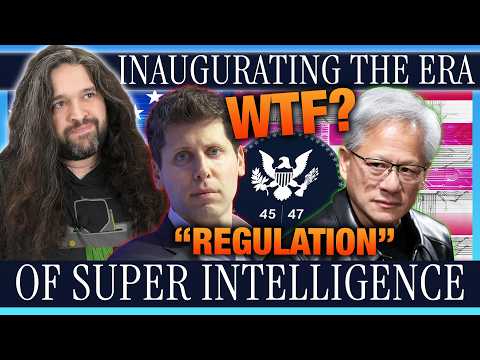
The appeal of this political commentary comes from its attempt to turn a large collection of polling numbers into a broader argument about the direction of American politics. Rather than focusing on a single statistic, the video builds a narrative around changing voter attitudes, especially among groups that shifted toward Donald Trump in the 2024 election. The presentation is energetic and confident, making the material easy to follow for viewers already interested in political analysis.
A major strength is the way the host organizes many different polling examples into a connected argument. The discussion moves from Hispanic voters and young voters to independents, party identity, and ideological preferences, creating a wide-ranging picture of the trends being highlighted. The repeated focus on comparisons between past support levels and current polling gives viewers a clear sense of the scale of the changes the video claims are occurring.
However, the analysis often moves quickly from polling data to definitive conclusions. The video presents several surveys and approval numbers, but many of the broader predictions about future elections, the permanence of voter shifts, and the likely collapse of a political movement are interpretations rather than established outcomes. Political opinions can change rapidly, and individual polls or short-term trends require more context before they can fully predict future results.
The commentary is also shaped heavily by the host’s strong viewpoint. The language is passionate and designed to create urgency, which may make the discussion more engaging for audiences who share the perspective being presented. At the same time, the framing leaves limited room for exploring alternative explanations, such as economic conditions, candidate-specific factors, turnout differences, or the possibility that voters’ opinions may continue to evolve.
The video is most effective when it examines specific polling shifts rather than when it makes sweeping historical comparisons. The breakdown of voter groups, party perceptions, and ideological labels provides useful insight into how political coalitions can change. These sections encourage viewers to think about why certain groups move between parties and how messaging influences public opinion.
The later discussion about Democratic voters wanting their party to be more aggressive expands the topic beyond criticism of Republicans and into a broader conversation about political strategy. This adds some balance by examining frustrations within the Democratic Party as well. Still, the argument remains primarily focused on the host’s interpretation of what those numbers mean rather than offering a more neutral analysis of competing strategies.
Overall, the video succeeds as a passionate piece of political commentary that collects a wide range of polling examples and presents them in an accessible format. Its biggest limitation is that the certainty of its conclusions sometimes exceeds what the evidence alone can prove. Viewers looking for a strongly argued perspective will find plenty to consider, while those seeking a more detached examination of polling trends may want additional viewpoints and context.
Pros
- Brings together numerous polling examples to create a clear discussion of changing voter attitudes.
- Explains specific voter groups and political trends in a way that is easy to follow.
- Maintains strong energy and engagement throughout a long-form political discussion.
- Includes discussion of internal challenges facing both major political parties.
Cons
- Makes broad predictions based on polling trends that may not fully account for future changes.
- Relies heavily on partisan framing rather than exploring multiple interpretations of the data.
- Uses dramatic language that can sometimes overshadow the complexity of political analysis.
This is an energetic political commentary built around a large collection of polling claims and interpretations. It succeeds at presenting a clear argument about shifting voter sentiment, but its strongest conclusions require more caution and additional context. The video is most valuable as a snapshot of one perspective on current political trends rather than a definitive forecast of what will happen next.