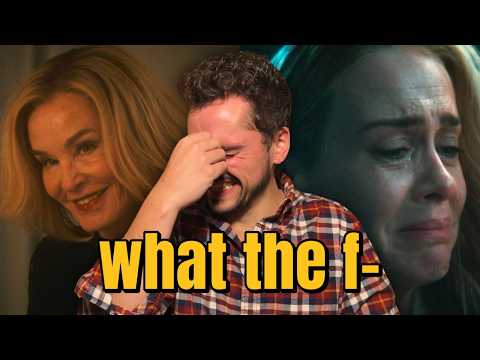
Eleanor Neale’s transformation from a popular YouTube true crime storyteller into a touring personality with an exclusive Netflix podcast deal has sparked criticism about the commercialization of real-life tragedies. With nearly three million subscribers and years of content behind her, Neale has built a substantial following through detailed accounts of criminal cases. However, the commentator argues that her increasingly casual presentation, sponsorship practices, live tour, and decision to move her podcast behind a subscription service reveal a troubling disconnect between her public commitment to victims and the business opportunities surrounding their stories. The resulting critique raises legitimate ethical questions, although its frequently accusatory tone sometimes moves beyond what the available evidence establishes.
The discussion begins by examining Neale’s storytelling style, particularly her introduction to a case involving Anastasia Grishman, in which she describes wanting a more relaxed, conversational atmosphere. The commentator objects to treating accounts of murder and violence as casual entertainment, supporting the criticism with viewer reactions expressing discomfort over the lighthearted delivery. Another example involves Neale joking that she lacks the qualifications for forensic work and is simply there to look attractive and tell stories. These clips provide concrete illustrations of the concerns being raised, although the argument occasionally assumes that a conversational presentation is inherently disrespectful rather than considering whether accuracy, empathy, and context might matter more than tone alone.
The criticism becomes more substantial when addressing sponsorships and the broader accuracy of true crime storytelling. One example shows Neale moving directly from a warning about domestic abuse, sexual violence, suicide, and murder into a MyHeritage advertisement. The abrupt transition illustrates how commercial messaging can undermine the seriousness of sensitive material, especially when victims' experiences become the foundation of monetized content. Additional commentary alleges that Neale embellishes cases and uses sensationalized thumbnails, but these accusations are presented largely through another creator's observations rather than independently demonstrated factual discrepancies. Consequently, the discussion establishes a persuasive concern about presentation and monetization without fully proving the more serious allegation of fabricated information.
Neale’s announcement of a live true crime tour provides the centerpiece of the controversy. Promotional remarks promising audience participation, evidence examination, suspect comparisons, and unexpected surprises are contrasted with the commentator's belief that real criminal investigations should not become interactive entertainment. The concern is understandable, particularly when speculation about suspects could affect surviving relatives or people connected to unresolved cases. Neale's subsequent clarification, in which she promises respectful treatment, involvement from individuals connected to cases, and partnerships with charities, receives some acknowledgment. Nevertheless, the commentator remains skeptical, arguing that these assurances should have accompanied the original announcement. The analysis would be stronger if it examined the actual tour's content, charitable arrangements, and involvement of affected families instead of primarily judging its promotional language.
The announcement that the video edition of Neale’s Outlaw podcast would become exclusive to Netflix introduces a different controversy involving accessibility and audience loyalty. Neale presents the move as an opportunity to introduce important stories to additional viewers, while the commentator argues that removing full episodes from a free platform and placing them behind a paid subscription contradicts that message. This is one of the clearest criticisms because it identifies a genuine tension between wider exposure and financial barriers. However, the argument treats increased reach as impossible without examining Netflix's potential audience, distribution advantages, or whether the new arrangement could attract viewers who were not previously watching on YouTube. Similarly, the assumption that money is the primary motivation remains speculation rather than a demonstrated explanation of Neale’s decision.
A collection of reactions from other creators broadens the conversation into a critique of the true crime industry itself. Their objections include insensitive advertisements, entertainment-driven coverage, speculative investigations, and the emotional consequences for families whose losses become public content. One contributor describes encountering creators who profited from coverage of a friend's death, adding an especially relevant perspective from someone personally affected by the genre. These accounts reinforce the need to consider victims and surviving relatives rather than evaluating true crime solely through audience engagement. Still, the repeated reactions often express similar objections without adding substantial new evidence, and the commentator's agreement with nearly every criticism limits the examination of possible distinctions between responsible reporting, public-interest storytelling, and exploitative entertainment.
The closing tribute to Kachi, a fellow graduate who reportedly died after consuming a counterfeit drink during his national service placement in Nigeria, introduces a deeply personal perspective on grief. By describing his character, the circumstances surrounding his reported death, and the suffering experienced by loved ones, the commentator attempts to demonstrate why real tragedies deserve more than sensationalized storytelling. The tribute is emotionally sincere and reinforces the central argument that victims were individuals with relationships, aspirations, and lives extending far beyond the circumstances of their deaths. However, the account offers no independent documentation of the counterfeit-drink allegation or its precise connection to the death, and the transition from criticizing Neale to discussing a personal loss feels abrupt. As an emotional conclusion, it is powerful, but it does not resolve the evidentiary weaknesses in the preceding accusations.
Pros
- Raises important ethical questions about profiting from murder cases, respecting victims' families, and transforming real criminal investigations into entertainment.
- Uses specific examples from Eleanor Neale's videos, sponsorship transitions, tour promotion, public clarification, and Netflix announcement to establish the basis for criticism.
- Highlights the tension between moving content behind a paid subscription and presenting that decision as a way to increase public access to victims' stories.
- Includes reactions from viewers and other commentators, illustrating how changing presentation styles and commercial decisions can affect audience trust.
- Acknowledges Neale's response concerning charitable partnerships and respectful treatment rather than completely excluding her explanation.
- Concludes with a personal tribute that humanizes the discussion of tragedy and emphasizes the continuing emotional consequences for victims' loved ones.
Cons
- Repeatedly interprets Neale's commercial decisions as evidence of greed or insincerity without establishing her actual motivations or financial arrangements.
- Relies heavily on selected negative comments and critical reaction videos, providing limited consideration of alternative interpretations or supportive perspectives.
- Presents allegations of fabricated case details and irresponsible storytelling without sufficiently examining specific factual inaccuracies.
- Criticizes the true crime tour without meaningfully investigating its completed format, reported charitable contributions, or actual participation by people connected to the cases.
- Treats relaxed storytelling and entertainment-oriented presentation as automatically disrespectful, leaving little room for distinctions between style and substantive ethical failures.
- Repetitive expressions of outrage sometimes overshadow the strongest evidence, while the closing personal account introduces serious factual claims without independent corroboration.
An emotionally charged examination of Eleanor Neale’s expanding true crime business raises worthwhile concerns about commercialization, audience accessibility, and the responsibility creators owe to victims and their families. Specific promotional clips and sponsorship examples give the criticism substance, while the personal closing tribute reinforces why these ethical questions matter beyond online controversy. However, selective reactions, unsupported assumptions about financial motivation, and limited investigation of Neale's actual practices prevent the presentation from becoming a fully convincing examination of wrongdoing.