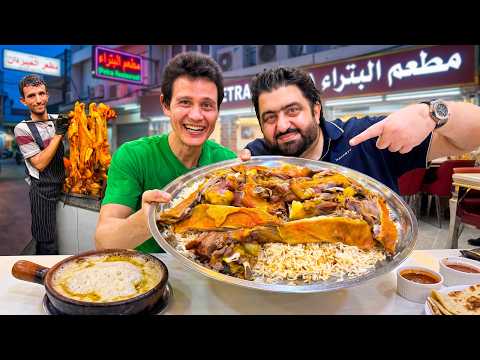
The video delivers an immersive exploration of Kabul’s food culture by focusing on the people, markets, and traditional dishes that shape the city’s culinary identity. Rather than only presenting food as a series of tastings, it follows a journey through family-run establishments, historic marketplaces, and street vendors, creating a broader portrait of daily life and hospitality. The result is a travel experience that emphasizes discovery and human connection as much as the meals themselves.
One of the strongest aspects of the presentation is the attention given to preparation methods. The video spends significant time showing how dishes are made, from dairy products and breakfast staples to dumplings, noodles, and elaborate lamb preparations. Watching ingredients transform through traditional techniques gives the food a sense of place, especially when the cooking processes involve specialized methods such as the tea kettle lamb preparation or the careful grilling and braising of meat.
The host’s enthusiasm helps make unfamiliar dishes approachable, particularly when explaining textures, flavors, and combinations. His reactions clearly communicate the appeal of the food, while his conversations with Bilal provide cultural context about why certain dishes matter locally. The focus on small vendors and family businesses also adds warmth, showing the relationships and pride behind the cuisine rather than treating the locations as simple tourist stops.
The market sequences are another highlight because they expand the scope beyond individual meals. The visit to the bird market and surrounding bazaars presents Kabul as a living city with traditions, commerce, and community interactions. The video’s observations about how these places reflect Afghan culture are presented through personal experience, so viewers should understand them as the host’s perspective rather than a complete historical account of the city.
The food itself is showcased with impressive variety. The journey covers dairy-heavy breakfasts, dumplings, noodle dishes, snacks, fresh juices, and multiple styles of lamb, demonstrating a range of flavors beyond common assumptions about Afghan cuisine. The final meat-focused meal provides a memorable conclusion, with detailed visuals of the cooking process and an appreciation for the skill involved in preparing the dishes.
However, the video’s overwhelmingly positive tone sometimes limits its analytical depth. Many dishes are described with extreme praise, but there is less discussion of regional differences, accessibility, or how representative these specific restaurants and markets are of Afghanistan’s wider food culture. The focus is clearly on the experience of a remarkable food journey rather than a comprehensive examination of Afghan cuisine.
The presentation also occasionally makes broad claims about food quality or cultural significance that are based on personal impressions rather than independently verified comparisons. Statements about certain ingredients being among the best in the world or particular dishes being unmatched are part of the excitement of the experience, but they should be viewed as enthusiastic opinions rather than established conclusions.
Overall, the video succeeds as a visually engaging culinary adventure that highlights traditions and introduces viewers to a side of Kabul that is rarely shown in mainstream travel content. Its strongest contribution is the way it connects food with craftsmanship, history, and hospitality, even if it leaves some broader context unexplored.
Pros
- Provides an engaging look at Kabul’s food scene through markets, restaurants, and family-run food stalls.
- Shows detailed preparation techniques that make traditional dishes easier to understand and appreciate.
- Highlights personal interactions that add cultural and human depth to the food journey.
- Features a wide variety of dishes rather than focusing on only one aspect of Afghan cuisine.
Cons
- Relies heavily on personal reactions and enthusiasm rather than deeper analysis of the cuisine.
- Some broad claims about dishes and ingredients are based on opinion rather than verifiable comparisons.
- Gives limited attention to challenges, regional variation, or broader context beyond the featured locations.
This is an entertaining and visually rich food journey that reveals a fascinating side of Kabul through its traditions, markets, and cooking methods. While it is more of a personal exploration than a complete guide to Afghan cuisine, it succeeds at making the food and the people behind it feel memorable and inviting.