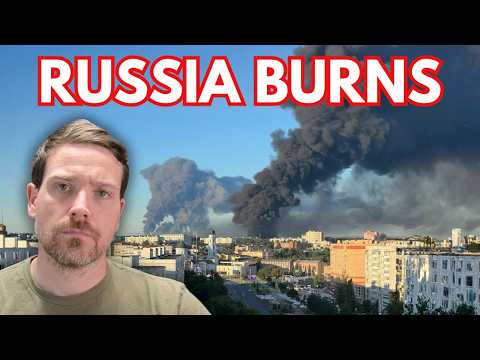
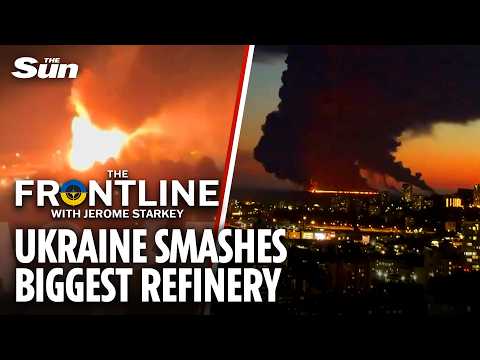
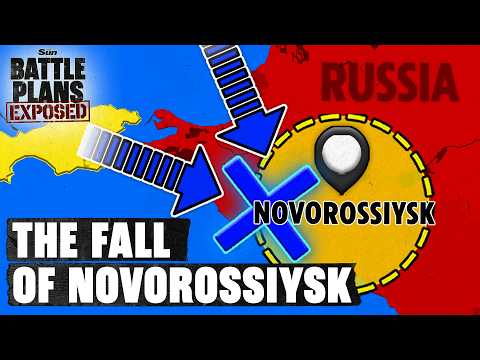
Long-range attacks on military facilities, energy infrastructure, and logistics networks have become a defining feature of the war in Ukraine, and this analysis focuses on how both sides are attempting to extend pressure beyond the front lines. The discussion examines Ukrainian strikes against Russian industrial and military targets, including claims about attacks on a space center, oil facilities, and commercial logistics sites, while connecting those events to broader strategic goals.
A major strength of the presentation is its effort to explain why certain targets matter rather than simply listing explosions and damage reports. The discussion of Russia’s rocket and satellite infrastructure, including the potential importance of communications systems for battlefield operations, gives viewers more context about why a strike far from the front line could have military implications. However, many battlefield outcomes and future capabilities are presented as assessments rather than independently verified conclusions, which requires viewers to separate analysis from confirmed information.
The coverage also explores Ukraine’s campaign against Russian logistics and economic infrastructure, arguing that attacks on facilities such as fuel sites and warehouses can create pressure beyond immediate military losses. The explanation of how damage to commercial networks could affect businesses and financial institutions provides an interesting look at the wider consequences of war. At the same time, the scale of those impacts is difficult to measure from the information provided, and some predictions about economic consequences remain speculative.
The discussion of air defenses and missile exchanges provides one of the more useful sections, particularly in explaining why both countries continue to rely on drones, cruise missiles, and ballistic systems. The analysis highlights the challenge Ukraine faces with limited air defense capacity and the difficulty of protecting a large territory from repeated attacks. It also appropriately acknowledges that official claims from both sides during wartime can be difficult to verify.
The battlefield overview offers a balanced reminder that individual advances or setbacks do not necessarily indicate a major shift in the conflict. The presentation describes a situation of continued fighting, attrition, and contested positions rather than claiming a simple victory narrative for either side. This approach helps avoid the common problem of treating every territorial change as a decisive turning point.
The political discussion around Ukrainian corruption allegations and internal disagreements adds another layer to the analysis, showing that wartime leadership faces challenges beyond military operations. The segment makes an effort to distinguish between legitimate concerns about governance and the broader political motivations that may accompany public criticism. Still, the discussion could provide more evidence and context before drawing conclusions about the long-term impact of these disputes.
The final sections covering foreign weapons, drone technology, and potential Russian mobilization continue the program’s focus on strategic consequences. The explanations of why certain weapons systems matter are accessible and informative, though some statements about future actions and battlefield effects rely heavily on expert interpretation rather than confirmed developments. Overall, the episode works best as a strategic overview rather than a definitive account of every event discussed.
Pros
- Provides useful strategic context behind long-range strikes instead of focusing only on individual attacks.
- Explains military concepts such as air defense, drone warfare, logistics, and satellite communications in an accessible way.
- Acknowledges uncertainty and the difficulty of verifying claims made during an ongoing conflict.
- Covers both battlefield developments and political issues to show the broader pressures affecting Ukraine and Russia.
Cons
- Some predictions about future military outcomes and economic consequences are more speculative than evidence-based.
- Relies heavily on analysis and assessments without always separating confirmed facts from interpretation.
- The wide range of topics sometimes limits the depth given to individual events.
- Wartime claims from both sides remain difficult to independently verify within the discussion.
A detailed examination of how modern warfare extends beyond traditional front lines, this analysis succeeds when explaining the strategic reasons behind attacks and defensive choices. While some conclusions depend on expert interpretation rather than confirmed evidence, the broader discussion provides a useful overview of the military, economic, and political pressures shaping the conflict.