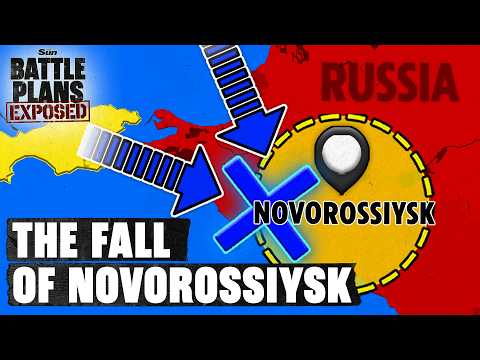
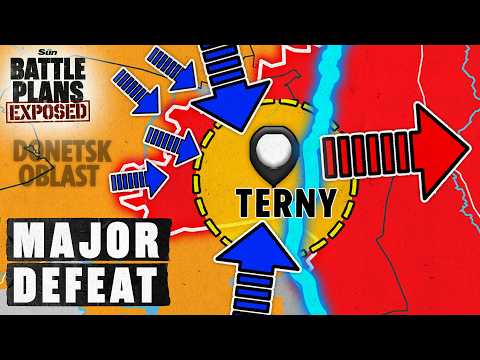
NATO’s focus on civilian preparedness, military readiness, and crisis planning forms the foundation of a discussion that blends documented security concerns with broader predictions about where global tensions may lead. The presentation highlights announcements about evacuation planning, medical capacity, infrastructure protection, and continuity of government, framing them as signs that Europe is preparing for a possible escalation.
The review of NATO’s preparedness measures provides a useful look at how governments plan for worst-case scenarios. The discussion correctly identifies that military alliances often develop contingency plans involving civilian systems, transportation networks, communications, and emergency services. However, the commentary frequently moves from describing preparations to suggesting that these actions indicate an approaching conflict, a conclusion that is presented as interpretation rather than established fact.
The coverage of military exercises, including the involvement of aircraft from multiple countries, creates a clear picture of the scale of modern defense training. The host raises questions about whether exercises described as defensive can include offensive capabilities, but the discussion does not always separate the purpose of training exercises from the equipment involved. Military drills commonly involve practicing a wide range of scenarios, including deterrence and response planning.
A stronger part of the discussion comes when it acknowledges that information surrounding conflicts can be incomplete or selectively presented. The segment noting that strikes and civilian impacts have occurred on multiple sides adds needed balance, especially in a topic where public narratives are often shaped by competing political perspectives. This willingness to mention complexity improves the overall presentation.
The video becomes less effective when it relies heavily on speculation about future events, including possible timelines for conflict, coordinated international crises, or hidden motivations behind preparedness efforts. Claims about what leaders or organizations are preparing for are sometimes treated as evidence of what will happen next, even though planning for risks does not necessarily mean those risks are considered inevitable.
The commentary also spends considerable time criticizing media coverage, political messaging, and potential military recruitment policies. These sections raise questions about public trust, government communication, and the relationship between civilian society and defense planning, but the arguments are often delivered through a strongly skeptical lens rather than a detailed examination of competing explanations.
Overall, the video succeeds as a high-energy discussion of current security concerns and encourages viewers to think about how nations prepare for emergencies. Its strongest moments come from examining real-world preparedness measures, while its weaker sections rely on assumptions and dramatic framing that go beyond the information directly presented.
Pros
- Highlights several areas of civilian preparedness, including evacuation planning, medical readiness, and infrastructure protection.
- Acknowledges that conflict reporting can involve perspectives from multiple sides rather than presenting only one narrative.
- Connects military exercises and emergency planning to broader questions about how governments respond to uncertainty.
- Raises legitimate questions about the balance between national security preparation and public communication.
Cons
- Frequently shifts from documented preparations into predictions about future conflict without sufficient supporting evidence.
- Uses dramatic framing that can make contingency planning appear equivalent to proof that war is imminent.
- Some discussions of military exercises and political decisions lack deeper context about alternative explanations.
- The commentary’s strong conclusions occasionally overshadow the more informative factual elements.
A detailed look at preparedness measures and military activity provides valuable context for understanding modern security concerns. The discussion is most effective when examining what governments are actually doing, but it becomes less convincing when it presents possible scenarios as likely outcomes. Viewers will find useful information here, though the analysis benefits from separating verified developments from speculation.