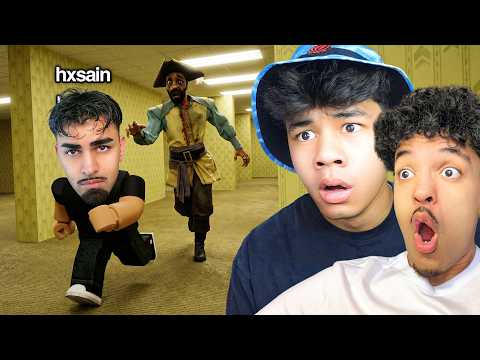
Jazz’s explanation of becoming a furry after initially mocking the community provides the interview with its most interesting contradiction. What began as an attempt to infiltrate and ridicule furries apparently turned into genuine enjoyment of the people, artwork, conventions, and public costuming. That progression offers more insight into the subculture than many of the deliberately outrageous questions surrounding it, particularly when Jazz describes participation as a hobby rather than a belief that he is literally a raccoon.
Matan’s interviewing style is built almost entirely around provocation. He repeatedly frames a $3,500 raccoon suit as evidence that something has gone seriously wrong, proposes mold exposure as an explanation, jokes about the guest’s family, and keeps searching for increasingly insulting interpretations of an unconventional hobby. Jazz proves unusually capable of working within that format. Rather than becoming defensive, he frequently agrees with jokes at his own expense, corrects misconceptions when necessary, and occasionally turns the host’s logic back on him. That willingness to participate keeps a potentially hostile exchange surprisingly conversational.
The strongest material comes when the questioning stays close to the realities of the hobby. Jazz discusses owning multiple custom suits, cleaning them, attending conventions, wearing costumes publicly, traveling with them, and separating furry activities from his career in power infrastructure. He also distinguishes between people primarily involved online and those who participate publicly, while describing the community as something he genuinely enjoys despite recognizing how strange it appears from outside. These details give viewers at least a modest picture of furry participation beyond the visual novelty of the costume.
Unfortunately, much of that potentially interesting discussion is displaced by repetitive attempts to connect furries with bestiality, pedophilia, mental disorders, and other extreme behavior. Jazz explicitly rejects sexual activity with animals and says such behavior is disliked within the community, yet the conversation repeatedly returns to variations of the accusation. Matan also speculates about supposed statistical relationships involving furries without presenting evidence. The guest sometimes joins the joking, but the exchange provides no basis for treating these broad characterizations as established facts about the furry community.
Similar caution is needed when the conversation moves into autism and sexual orientation. Jazz readily suggests that autism is common among furries and says gay people are heavily represented, but no supporting data is offered for the specific prevalence figures or comparisons discussed. The later jokes about electroshock treatment and lobotomies are presented as deliberately offensive comedy rather than serious medical discussion, and they should not be mistaken for accurate descriptions of appropriate treatment. These passages may fit the podcast’s confrontational persona, but they also sacrifice meaningful exploration of subjects that could have supported a more substantive conversation.
There are flashes of genuine curiosity underneath the antagonism. Discussions about conventions, public fursuiting, family reactions, anonymity, cosplay, Jazz’s siblings, his father potentially discovering his sexuality through the interview, and the unusual path from mocking furries to joining them all reveal a guest who is comfortable acknowledging the absurdity of his hobby without appearing ashamed of enjoying it. The proposed introduction between Jazz and the upcoming guest, with the possibility of creating a giraffe persona, also gives the ending an amusing connection to the broader show rather than simply exhausting another round of insults.
Structurally, however, the interview runs considerably longer than its core material warrants. Recurring jokes about mold, criminality, sex with animals, social abnormality, and the supposed humiliation of being associated with furries often revisit essentially the same premise. Two substantial sponsorship interruptions further disrupt the momentum. Jazz’s relaxed responses and occasional deadpan counterpoints prevent the conversation from collapsing under that repetition, but a tighter edit and greater willingness to follow his more revealing answers could have produced something both funnier and more informative.
Pros
- Jazz’s story of progressing from mocking furries to becoming an enthusiastic participant offers a genuinely interesting perspective on how someone can enter the community.
- The guest handles sustained provocation with good humor and frequently contributes effective self-deprecating responses of his own.
- Concrete discussion of suit costs, maintenance, conventions, public fursuiting, employment, and family reactions provides useful glimpses into the hobby.
- Moments involving Jazz’s family and personal experiences give the conversation more substance than its deliberately antagonistic premise initially suggests.
Cons
- Repeated jokes connecting furries with bestiality and pedophilia become excessive and crowd out more interesting avenues of discussion.
- Claims and speculation about autism, sexuality, criminal behavior, and the furry community are offered without evidence and should not be treated as representative statistics.
- Several provocative premises are recycled long after their comedic point has been established, making the interview feel unnecessarily repetitive.
- Two lengthy sponsorship segments noticeably interrupt an already loose conversational structure.
- Potentially revealing answers about community culture and Jazz’s personal experiences are often abandoned in favor of the next insult or shock joke.
Jazz’s willingness to laugh at himself gives this confrontational interview considerably more charm than its barrage of insults might suggest. There is an interesting discussion about an unusual subculture underneath the provocation, but repetitive sexual accusations, unsupported generalizations, and frequent detours prevent that discussion from developing very far. As abrasive comedy it produces some effective exchanges; as an exploration of furry culture, it remains decidedly shallow.