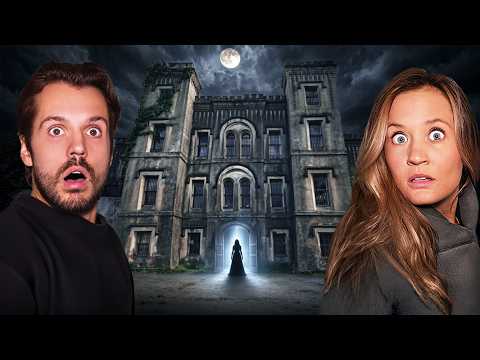
Roz Hernandez’s combination of stand-up comedy and deliberately irreverent ghost hunting gives Trixie Mattel plenty to work with, and their existing familiarity prevents the conversation from feeling like a conventional celebrity interview. Hernandez is refreshingly open about the limits of paranormal investigation, repeatedly acknowledging that she does not know whether ghosts exist or what unexplained experiences actually mean. That skepticism gives the supernatural material a playful foundation rather than asking viewers to accept extraordinary claims as established fact, while stories about haunted hotels, Grindr-assisted investigations and Trixie’s allegedly haunted home provide plenty of comic fuel.
The conversation becomes substantially more interesting when Hernandez explains what “should be more famous” means to her. She describes being cast in a television series, seeing it eventually disappear from streaming, receiving fewer auditions afterward and feeling that opportunities for trans women in mainstream entertainment have contracted. Her broader explanation connecting that change to political and cultural backlash is her interpretation of her own career environment rather than evidence establishing a single cause, and both hosts acknowledge that they cannot identify specific corporate decisions behind individual cancellations or lost opportunities. That distinction matters because the personal account itself is compelling without requiring every industry-wide conclusion to be accepted as proven.
Hernandez’s response to those professional frustrations supplies the strongest material. With little work booked, she says she organized a 50-show tour herself, drove between cities, handled merchandise and simultaneously worked on an audiobook and ghost-hunting material. Her description of seeking out gay clubs rather than depending entirely on traditional comedy venues develops into a thoughtful discussion about building an audience instead of waiting for established institutions to provide access. Trixie complements this with practical observations from drag, particularly the value of creating new shows rather than waiting for coveted slots on existing bills.
Their discussion of audience expectations also has unusual substance beneath the jokes. Hernandez explains that she performs primarily for LGBT audiences while welcoming everyone else to listen, and both comedians reflect on the difference between bombing because material fails and encountering an audience that simply is not receptive to the performer. The conversation about drag clubs becoming a circuit for queer comedians is especially engaging because it moves beyond complaints about diminished opportunities and toward a concrete alternative model involving comedy, drag and existing nightlife spaces.
Comedy remains the dominant mode, however, and the episode is intentionally willing to abandon promising subjects for absurd tangents. Cigarette sound effects lead into audience demographics, a discussion of Trixie’s haunting veers into an extended anatomical story, and Hernandez’s interest in haunted objects produces the wonderfully ridiculous idea of haunted breast implants. The chemistry makes most of these detours entertaining, but the looseness sometimes costs the interview depth. Hernandez’s career history, self-booked touring operation and thoughts on changing comedy audiences could each sustain more focused discussion than they receive.
The closing stretch embraces variety-show silliness with costume changes, rapid-fire questions, promotional plugs and a bald-cap bit built around Katya’s absence. Some questions generate amusing spontaneous answers, particularly Hernandez recalling her childhood joke and choosing Divine as the deceased person she would want to summon, while others feel more like improvised filler. The result is appropriately chaotic for the hosts’ style, though the game never becomes as memorable as the earlier free-form conversation. More importantly, Trixie establishes a warm temporary format that acknowledges Katya’s health-related absence without allowing it to overwhelm the guest or turn the show somber.
Pros
- Hernandez’s openly skeptical approach to ghost hunting keeps the paranormal discussion funny without presenting speculation as established fact.
- The self-booked 50-show tour provides a compelling example of creating opportunities independently when conventional entertainment work becomes scarce.
- Trixie and Hernandez have easy chemistry that allows serious career discussion and outrageous comedy to coexist naturally.
- The discussion of using gay clubs as a touring circuit for LGBT comedians develops into one of the episode’s most substantive ideas.
- Trixie handles Katya’s absence warmly while giving Hernandez enough room to establish her own personality and work.
Cons
- Several potentially substantial discussions about entertainment opportunities and changing audiences are abandoned for lengthy comic tangents.
- Hernandez’s broader conclusions about shrinking mainstream opportunities for trans performers are grounded mainly in her personal experience rather than evidence sufficient to establish an industry-wide trend.
- The rapid-fire closing game produces fewer memorable moments than the less structured conversation preceding it.
- Multiple promotional segments and plugs interrupt an interview that is already prone to frequent changes of subject.
Hernandez proves an especially compatible guest because she can move from paranormal absurdity to the practical realities of sustaining a comedy career without losing her sense of humor. The conversation occasionally sacrifices depth for chaos, but its best stretches reveal a resourceful performer whose stories about touring, queer comedy spaces and ghost hunting give Trixie plenty of material for both genuine discussion and ridiculous detours.