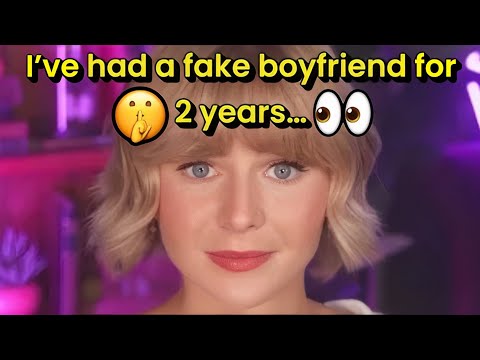
Charlotte Dobre assembles several stories about controlling relatives, intrusive parents, wedding disputes, and family members who refuse to respect basic boundaries. The opening account is easily the most alarming, involving a pregnant woman whose mother allegedly accesses her medical records, refers to the unborn child as her own, and suggests that a missed feeding could lead to a CPS intervention. Charlotte responds with appropriate concern and consistently frames the behavior as threatening rather than merely eccentric.
The strongest part of that discussion is its practical focus. Charlotte and the quoted commenters urge the couple to document the alleged access to medical records, report it to the hospital, restrict the mother-in-law’s involvement, and have a serious conversation about long-term boundaries. However, the legal language becomes overly confident. The account is secondhand, the alleged records access is not independently verified, and statements that a federal crime has definitely occurred or that reporting it could lead to jail go beyond what the story itself establishes.
The wedding stories provide lighter variations on the same theme. One bride refuses to allow a five-minute AI-generated song created by her future mother-in-law, while another couple is pressured to pay for a family member’s preferred babysitter, meal, hotel room, and breakfast despite already providing childcare. Charlotte is persuasive when emphasizing that financial contributions or family status do not entitle someone to override the couple’s plans. Her discussion also identifies reasonable safeguards, such as ensuring that the DJ accepts playlist changes only from the couple.
At times, though, the commentary assigns motives too quickly. The AI-song dispute becomes evidence that the mother-in-law wants to compete with a stepmother or reclaim attention from the bride, while the babysitter conflict is interpreted as an attempt by the brother-in-law to make the wedding about himself. Those readings are plausible, but they remain interpretations based on one-sided Reddit accounts. The same problem appears in the playground story, where Charlotte raises racism as a possible explanation without any supporting detail beyond the stranger’s irrational behavior.
The remaining stories are more straightforward examinations of ownership, independence, and consequences. Charlotte strongly supports an eighteen-year-old who moves out after being ordered to surrender a bedroom despite paying rent, and she correctly identifies the contradiction in parents claiming both landlord-like authority over rent and unrestricted control over the rented space. Her response to the engagement-ring dispute is similarly clear: once the ring was given and accepted, the mother-in-law could not simply reclaim its diamond because the recipient was not currently wearing it.
The final account, involving an abusive teacher who loses an honors position, gives Charlotte an opportunity to discuss professional conduct and the long-term cost of mistreating colleagues. She wisely states that neither she nor commenters can diagnose the mother, even as the story describes erratic and harmful behavior. Still, the presentation occasionally slips into glib jokes about mental illness, psychosis, and family instability, which weakens the otherwise serious recognition that the storyteller appears to have endured sustained abuse.
Across the compilation, Charlotte’s animated reactions, personal wedding anecdotes, recurring catchphrases, and direct audience engagement keep a very long collection moving. The central message—that gifts, money, family ties, and emotional pressure do not erase another person’s autonomy—is consistent and often useful. The repetition of outrage, sponsor integrations, speculative motive-reading, and increasingly exaggerated insults makes the video less disciplined than its best advice deserves.
Pros
- Offers clear, practical boundary-setting advice in the medical privacy, wedding, housing, and property disputes.
- Recognizes the most threatening behavior in the opening story and encourages documentation and formal reporting.
- Maintains energetic pacing across several lengthy stories through humor, personal anecdotes, and direct reactions.
- Appropriately cautions against diagnosing mental illness based on an online account.
- Consistently reinforces personal autonomy and challenges manipulative uses of money, gifts, and family obligation.
Cons
- Treats several unverified allegations and legal conclusions with more certainty than the secondhand stories support.
- Frequently assigns motives such as jealousy, racism, attention-seeking, or favoritism without sufficient evidence.
- Repeats similar reactions and boundary advice after the central point has already been established.
- Some jokes and insults involving mental health, psychosis, and abusive family situations undermine the seriousness of the material.
- Sponsor segments interrupt two of the compilation’s most emotionally sensitive stories.
The video succeeds as lively, validating commentary for viewers dealing with intrusive or entitled relatives, and several of its practical recommendations are genuinely sensible. Its usefulness is reduced by speculative interpretations, overconfident legal claims, and humor that occasionally clashes with the severity of the stories being discussed.