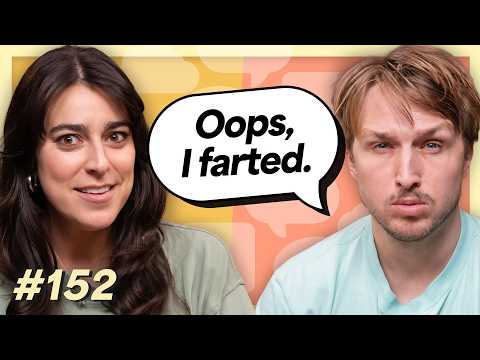
Deleting a mother’s Candy Crush app sounds like a small act of revenge until a comment puts her at level 21,000. The host immediately tells the culprit to pack themselves into a UPS box. That exchange captures what makes this return to the trend funny. A throwaway detail turns a stock setup into a petty offense with consequences the audience can imagine.
The host samples YouTube Shorts and TikToks built around the same declaration of anger, followed by an act of defiance. Some are ordinary habits treated as serious transgressions, like letting the microwave beep while everyone is asleep or leaving a phone unplugged overnight. Others claim impossible feats, like ripping a house in half. The range gives the host plenty to play with, though the ordinary examples often give him more room to build a joke around something viewers recognize.
His best improvisation comes when someone reminds a teacher about forgotten homework. He imagines an entire classroom agreeing to stay quiet until one kid gets denied a piece of gum and decides to ruin it for everyone. His story about approving a haircut only to spot the problem in the car mirror works for a similar reason. In both cases, he supplies the little social embarrassment or grievance that makes the original joke feel specific.
The loose delivery also produces detours that take longer to pay off. The opening soundboard demonstration explains his running conversation with regular viewers, but the tour through the fart sound, bell, and cinematic boom postpones the first clip. Later, a school joke sends him into a tangent about his grades and how trouble outside class sometimes made him pay closer attention. There’s a personal observation in there, but it takes a while to get back to the joke that prompted it.
The premise of a second look raises the question of how the trend has changed. The host recognizes the barber and microwave entries from before, and the scroll moves freely between mundane dares and outlandish boasts. There’s little sense of escalation across the clips. The reactions can feel equally emphatic regardless of the setup, especially once the mock FBI calls and threats to ban people from Earth become familiar responses.
Moving into the comments late in the video gives the host a fresh source of material. A reader’s confession about continuing to drink after someone tries to hurry them off the school water fountain gets him imagining staying there until school ends. It’s a fitting late highlight because his annoyance is as recognizable as the original joke, and he carries the exaggeration further without losing the small grievance that set it off.
Pros
- The Candy Crush exchange shows how a single detail from a commenter can sharpen a simple joke.
- The mix of familiar habits and impossible boasts gives the recurring setup some variety.
- The imagined classroom dispute turns the forgotten-homework clip into a funny little story.
- The haircut anecdote brings a personal touch to a clip the host has already seen.
- The late turn to reader submissions produces a lively bit about school water fountain etiquette.
Cons
- The opening soundboard showcase delays the first reaction.
- The detour into grades and classroom focus slows the middle of the scroll.
- The return to familiar clips and the loose ordering make it hard to see how the trend has escalated.
- The recurring mock punishments make some reactions feel interchangeable.
The host gets the most out of the format when there’s a little grudge for him to imagine playing out. A tighter selection would give those improvised stories more room to land, but there are enough sharp reactions to make the return visit worthwhile.