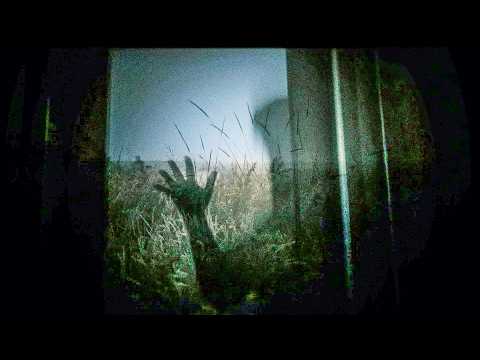
A Finnish treasure hunter vanishing in Utah's snowy wilderness, a soldier disappearing near a secretive military installation, and a rocket engineer seemingly disappearing within minutes of being seen by a hiking companion make for three unsettling mysteries. Rather than simply recounting these cases, the investigation visits the locations where each person disappeared, searches for potential evidence, and speaks with people connected to the events. The combination of firsthand exploration and personal testimony creates an engaging approach to true crime, although the investigation sometimes allows speculation and dramatic presentation to overshadow what can actually be established.
The disappearance of Finnish treasure hunter Oni provides the most extensive investigation. After examining airport surveillance footage and retracing his journey to Moon Lake, the host unexpectedly encounters a taxi driver who claims to have transported the missing man. The encounter is a remarkable moment, particularly because the driver describes taking him to the remote area and recalls the approximate fare. A conversation with a local resident adds valuable context about the legendary lost gold mines associated with Thomas and Caleb Rhoades, while also introducing the possibility that Oni attempted to cross a frozen lake. The investigation becomes more substantial when Sheriff Crowley discusses the difficult winter conditions, the extensive searches, and the absence of physical evidence. However, the driver's identity and recollections are accepted without independent verification, and the speculation about Oni falling through the ice remains a plausible theory rather than an established conclusion.
The subsequent boat expedition introduces a welcome sense of adventure as the investigators search the lake's northern shoreline for clothing or other belongings. Discovering an abandoned hat briefly creates excitement, but the investigators appropriately acknowledge that it cannot be connected to Oni. The physical exploration helps illustrate the enormous terrain and practical difficulties facing search teams, particularly when compared with the severe winter conditions described by local witnesses. Unfortunately, the extended joking, playful insults, and occasional distractions undermine the seriousness of a disappearance involving a grieving family. The discussion of the supposed treasure also receives uneven scrutiny, with geological doubts mentioned briefly before the host expresses renewed belief in the legend without substantial supporting evidence.
Joseph Bushling's disappearance near Dugway Proving Ground shifts the investigation toward military secrecy and conflicting accounts. The host describes Joseph's reported final communication, his abandoned vehicle, and the unusual circumstances surrounding his disappearance before interviewing his father, Kevin. This conversation is among the investigation's most meaningful sections because it gives Kevin an opportunity to describe his son beyond the mystery and explain why he questions the official handling of the case. His account challenges several details introduced earlier, including reports about recovered footwear and tracking evidence, and raises questions concerning a GPS device and inconsistent witness statements. These contradictions provide legitimate grounds for further examination, but Kevin's belief that Joseph was killed on the base remains an allegation rather than a demonstrated fact.
The Dugway segment also illustrates the dangers of connecting an unresolved disappearance to a location's reputation. References to UFO conspiracies, chemical weapons, and the historical sheep deaths near the installation establish an ominous atmosphere, but they do not provide evidence linking the military to Joseph's disappearance. The brief encounter with law enforcement outside the base contributes little to the investigation beyond reinforcing the location's intimidating image. More importantly, the video does not independently examine the conflicting records or obtain an official response to Kevin's allegations. Nevertheless, his emotional account of participating in the search and his frustration with the treatment of his son's disappearance give the segment a human dimension that extends well beyond conspiracy-oriented entertainment.
The final case follows rocket engineer Monica Raza, whose disappearance during a hike is presented alongside speculation concerning other missing scientists. Unable to secure an interview with search-and-rescue personnel, the investigators retrace the hiking route, examine the area where her beanie was reportedly recovered, and visit the approximate location where she was last seen. The increasingly narrow pathways, steep terrain, and proximity to accessible roads offer useful visual context for understanding why the circumstances initially appear puzzling. However, the host acknowledges uncertainty about the coordinates, making confident conclusions about the disappearance location premature. The suggested connection between Monica's engineering work, her disappearance, and a broader pattern involving other scientists is particularly weak, as no substantial evidence establishes that these incidents are related or that anyone was deliberately targeted.
Across all three investigations, the greatest strength is the willingness to visit remote locations and engage directly with people who possess potentially relevant information. The host's curiosity and energetic presentation make the material accessible, while the interviews with Sheriff Crowley, local witnesses, and Joseph's father supply important perspectives that ordinary mystery compilations often lack. Yet the investigative approach remains inconsistent. Dramatic declarations sometimes exaggerate the significance of ordinary discoveries, unverified claims receive considerable attention, and the distinction between firsthand evidence, secondhand reporting, and personal theories is not always maintained. The closing appeals for viewers to contact appropriate investigators are responsible and worthwhile, but the cases would benefit from more rigorous source verification and a more consistently respectful tone.
Pros
- Explores three distinctive unresolved disappearances through firsthand visits to the locations where the missing individuals were last reported.
- Features valuable interviews with Sheriff Crowley, local residents, a purported taxi driver, and Joseph Bushling's father, adding perspectives beyond the host's own theories.
- Provides useful geographic context through the Moon Lake boat expedition, remote Dugway surroundings, and recreation of Monica Raza's hiking route.
- Highlights significant inconsistencies surrounding Joseph Bushling's disappearance, particularly through his father's challenges to previously reported evidence.
- Creates engaging investigative moments through unexpected encounters, difficult terrain, and searches for potentially relevant belongings.
- Gives the missing individuals a human dimension and encourages viewers with credible information to contact the appropriate authorities.
Cons
- Speculative explanations involving a frozen lake, military involvement, and potentially connected scientist disappearances receive more attention than the available evidence justifies.
- Several important claims, witness recollections, and disputed case details lack independent verification or documentary support.
- The connection between Monica Raza's disappearance and a supposed pattern of missing scientists is introduced without meaningful evidence establishing a relationship.
- Frequent jokes and playful distractions occasionally undermine the emotional seriousness of the investigations.
- The final investigation relies on uncertain location information and lacks interviews with search personnel or investigators who could clarify key circumstances.
- Sensational framing and repeated expressions of disbelief sometimes substitute for deeper analysis of alternative explanations.
This ambitious investigation offers an engaging combination of remote exploration, unexpected encounters, and deeply personal accounts of three unresolved disappearances. Its strongest moments come from direct conversations with people connected to the cases, particularly Joseph Bushling's father and those involved in searching for Oni. Although uneven evidence verification, speculative connections, and occasional tonal misjudgments prevent it from becoming a fully convincing investigative documentary, it succeeds in drawing attention to troubling mysteries while emphasizing the importance of credible information and continued searches.