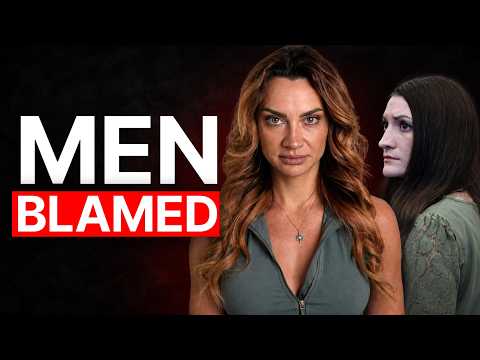
The trial surrounding Lindsay Clancy has become a difficult examination of where personal responsibility ends and the effects of severe mental illness begin. This commentary focuses on the many conflicting interpretations surrounding the case, including questions about her mental state, her treatment history, and the actions of those around her. It approaches the subject with an emphasis on uncertainty, though much of the discussion relies on theories and public reactions rather than proven conclusions.
A major strength of the presentation is that it recognizes the case is not as simple as a single explanation. The discussion explores both sides of the central argument: whether Clancy’s actions were connected to a severe postpartum psychiatric condition and whether there were failures in recognizing or responding to her declining mental health. The video also highlights that the legal question involves determining criminal responsibility, not merely deciding whether a tragic event occurred.
The segment spends considerable time examining Patrick Clancy’s behavior and the public speculation surrounding his personal life after the tragedy. It raises questions about his relationship with Lindsay, his move forward after the deaths of his children, and certain details discussed during the trial. However, many of these points are presented as possibilities rather than established facts, and the commentary sometimes moves quickly from unusual circumstances to suggestions of deeper involvement without definitive evidence.
The discussion of forensic evidence, including DNA findings and timeline questions, is one of the more interesting sections because it attempts to evaluate details that have become central to public debate. The video does acknowledge that some evidence is complicated, particularly when discussing DNA mixtures involving family members. Still, viewers should be cautious because interpreting forensic evidence requires technical expertise, and individual pieces of information may not provide the full picture without the broader trial record.
The strongest portion of the commentary comes when it addresses postpartum mental health and the challenges of identifying severe psychiatric conditions. The video presents competing perspectives: one suggesting Clancy failed to properly seek or follow treatment, and another arguing that the medical response may have focused too heavily on medication without providing enough comprehensive support. This creates a meaningful conversation about how difficult these situations can be, although the medical conclusions remain interpretations rather than established findings.
The presentation style is conversational and highly focused on audience engagement, frequently encouraging viewers to consider different possibilities and share their opinions. That approach makes a complicated legal case accessible, but it also creates moments where speculation and emotional reactions receive similar attention to verified information. For a case involving criminal charges and serious allegations, a clearer separation between confirmed evidence and public theories would strengthen the analysis.
Overall, the commentary provides a wide-ranging look at a tragic and emotionally charged case while acknowledging that many questions remain unresolved. It is most effective when discussing mental health, legal standards, and the difficulty of understanding extreme events, but it is less convincing when exploring theories about individuals without stronger supporting evidence.
Pros
- Explores the difficult intersection of severe mental illness, criminal responsibility, and accountability.
- Presents multiple interpretations of the case rather than focusing on only one possible explanation.
- Highlights important questions about postpartum psychiatric conditions and the challenges of recognizing warning signs.
- Explains complicated trial topics in an accessible conversational format.
Cons
- Some speculation about Patrick Clancy is given significant attention despite lacking confirmed evidence.
- Emotional reactions and theories sometimes receive similar weight as established courtroom facts.
- The discussion of medical and forensic issues occasionally oversimplifies areas that require specialized expertise.
This is an engaging but perspective-driven discussion of a deeply complex criminal case. Its strongest moments come from exploring the difficult questions surrounding mental health and responsibility, while its weaker moments come from giving too much space to theories that remain unproven. The result is an informative overview that encourages discussion but requires viewers to separate commentary from verified evidence.