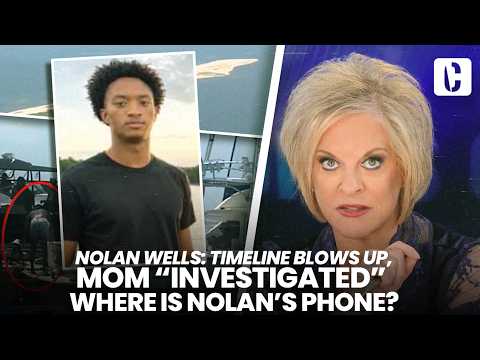
A handwritten-style letter circulating online has become the center of renewed speculation surrounding the Nolan Wells case, with claims that it reveals a possible motive behind his death. The discussion examines the letter’s alleged timeline, references to conflicts among friends, and the possibility that personal tensions played a role. However, the presentation also makes clear that the letter has not been authenticated, leaving a significant gap between a potentially important clue and verified evidence.
The commentary does a good job of walking viewers through the contents of the letter and highlighting the specific details that have drawn attention. The alleged sequence involving the boat trip, a disagreement over a phone, and previous tension within the friend group creates a narrative that is easy to follow. The host also acknowledges uncertainty at points, noting that the document’s origin and reliability remain unclear.
The strongest part of the discussion is the focus on motive rather than simply repeating existing theories about the case. The idea that a falling-out, resentment, or unresolved conflict could be relevant is presented as a possibility rather than a confirmed explanation. This approach encourages viewers to consider new information while recognizing that unanswered questions remain.
At the same time, the analysis frequently moves from speculation toward certainty, particularly when discussing whether Nolan was murdered and who may be responsible. The letter’s claims are treated as highly meaningful, but there is limited examination of alternative explanations, the possibility of misinformation, or the standards required to establish a credible connection between an online document and an actual investigation.
The video also expands beyond the letter itself into broader commentary about the community, the location, and the people involved. Some of these observations are presented with strong opinions that may distract from the central issue. The most compelling material comes from examining the alleged evidence, while the wider social commentary adds emotion but provides less direct insight into the case.
The discussion about secrets, witnesses, and the likelihood that information eventually emerges reflects a common theme in unresolved investigations. The host argues that too many people knowing something makes long-term silence difficult, which is an interesting perspective on human behavior. However, whether that applies to this specific case depends on facts that are not established within the discussion.
Overall, the presentation succeeds as a conversation about a mysterious piece of information and why it has captured public attention. It gives viewers a clear summary of the letter’s alleged contents and the questions it raises, but it would benefit from a more restrained approach when separating possibilities from conclusions. The result is an engaging but speculative examination of an unresolved case.
Pros
- Clearly explains the alleged contents of the letter and why it has attracted attention.
- Acknowledges that the document has not been authenticated rather than presenting it as proven evidence.
- Focuses on motive and interpersonal conflict as possible investigative angles.
Cons
- Makes strong claims about the case without presenting verified evidence supporting those conclusions.
- Gives limited attention to alternative explanations or the possibility that the letter could be inaccurate.
- The broader commentary about the community sometimes overshadows the central discussion of the alleged evidence.
This review of the Nolan Wells case offers an interesting look at how a single piece of alleged information can reshape public discussion around an unresolved mystery. Its strongest moments come from examining the questions raised by the letter, but the lack of verification requires viewers to approach the conclusions cautiously. It is an engaging discussion of possibilities rather than a definitive explanation of what happened.