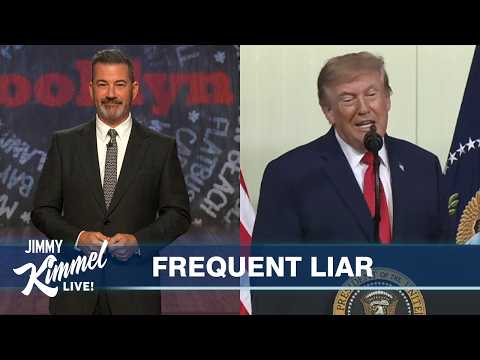
The balance of power in Washington is often shaped by a combination of voter sentiment, electoral maps, and historical patterns, and this analysis attempts to organize those factors into a series of possible outcomes. Rather than presenting a single prediction, the discussion ranks four different scenarios for the 2026 midterm elections, assigning estimated probabilities and explaining the conditions that could lead to each result.
The presentation’s strongest feature is its structured approach. By moving from the least likely outcome to the scenario considered most probable, it gives viewers a clear framework for understanding how different variables interact. The focus on House redistricting, Senate battlegrounds, party favorability, and presidential approval ratings creates a broad overview of the forces that could influence the election.
The analysis makes frequent use of polling numbers and historical comparisons to support its conclusions. Those figures help demonstrate why certain outcomes may appear more or less realistic, but viewers should remember that election forecasts are inherently uncertain. Polling snapshots, assumptions about voter behavior, and comparisons with past elections can provide useful context without guaranteeing what will happen.
A major strength is the attempt to separate different electoral dynamics instead of treating the House and Senate as one contest. The discussion explains that Democrats and Republicans face different challenges in each chamber, particularly because Senate races are determined by individual state contests while House races are affected by district boundaries and national trends.
The commentary also relies heavily on interpretations of current political conditions, especially views about Donald Trump’s approval ratings and the public’s concerns about the economy. These arguments are presented as reasons one party may have an advantage, but some of the conclusions depend on how accurately current opinions translate into turnout and voting decisions.
The conversational style adds energy to what could otherwise be a very technical subject. Humor, informal remarks, and interaction with a producer help make the statistics feel more accessible, though some viewers may find the repeated jokes and dramatic reactions occasionally distract from the seriousness of the analysis.
Overall, the piece works best as a snapshot of one analyst’s reading of the political landscape rather than a definitive forecast. It provides a useful explanation of possible paths to victory for both parties, while leaving room for the uncertainty and unpredictability that define major elections.
Pros
- Provides a clear scenario-based breakdown of possible House and Senate outcomes.
- Uses polling, historical trends, and electoral factors to explain the reasoning behind each prediction.
- Separates the different challenges facing House and Senate candidates instead of treating elections as a single national contest.
- Makes complex political data easier to follow through a conversational presentation style.
Cons
- Many conclusions depend on current polling and assumptions that could change significantly before Election Day.
- The informal delivery sometimes overshadows deeper discussion of the limitations of election forecasting.
- Some claims about political momentum rely more on interpretation than independently verifiable outcomes.
This analysis offers an engaging look at how analysts evaluate midterm possibilities through polling, history, and electoral math. While its predictions should be viewed as a snapshot rather than a guarantee, it succeeds at showing why multiple outcomes remain possible and what factors could shape the eventual result.