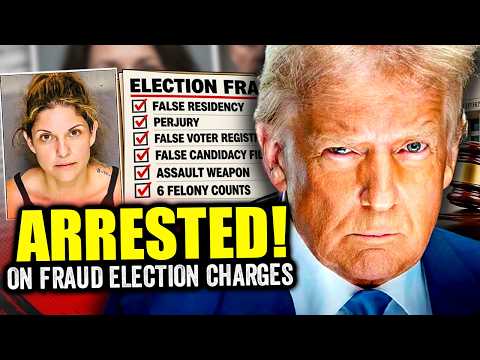
The video examines reported tensions surrounding Todd Blanche's nomination for attorney general, framing the story as an example of Donald Trump undermining one of his own appointees while insisting on preserving provisions the host considers politically and legally problematic. Rather than presenting itself as a detached news summary, the piece is an opinion-driven analysis that combines recent public statements, social media posts, and political reactions into a broader argument about Trump's priorities and Blanche's willingness to accommodate them. The presentation is easy to follow because it keeps returning to a central question: whether Blanche can satisfy Senate holdouts without contradicting Trump's public position.
A significant portion of the discussion revolves around statements attributed to Trump concerning an "anti-weaponization fund," tax-related settlement provisions, and compensation for people prosecuted in connection with January 6. The host clearly distinguishes between direct quotations from Trump and his own interpretations of what those statements could mean legally or politically. However, many of the video's strongest conclusions about the practical effects of tax provisions, Trump's motivations, and the potential legal consequences are presented as the creator's analysis rather than established fact. While those opinions are often labeled accordingly, viewers still need to distinguish between documented public statements and speculative interpretations.
The presentation benefits from showing reactions from Republican senators John Cornyn and Thom Tillis, as well as comments from Marco Rubio, allowing viewers to see competing positions instead of relying solely on paraphrased summaries. Including these statements provides useful context for the nomination dispute and demonstrates that disagreements are occurring within Trump's own political coalition rather than exclusively between political parties. That said, the discussion consistently interprets those reactions through the creator's critical perspective, leaving relatively little room for alternative explanations of the participants' positions.
The host's rhetorical style is highly confrontational throughout. Sharp language, frequent personal criticism, and repeated assertions about the motives and qualifications of political figures make the video's viewpoint unmistakable. While this direct approach creates energy and keeps the pacing brisk, it also reduces the distinction between factual reporting and editorial commentary. Viewers looking for balanced coverage may find the emotionally charged delivery less persuasive than the documented material presented alongside it.
Another strength is the effort to connect multiple developments into a single narrative rather than discussing isolated headlines. The host revisits January 6 prosecutions, the Mar-a-Lago investigation, Senate confirmation politics, and broader Department of Justice controversies to explain why he believes the nomination has stalled. Even when individual claims remain disputed or politically contested, the video generally signals when it is offering opinion instead of quoting public statements, which helps viewers recognize where interpretation begins.
Ultimately, the video functions more as political commentary than investigative reporting. Its strongest moments come when it presents identifiable public statements and then explains why the creator believes they matter. Its weakest moments occur when speculation about legal outcomes, financial implications, or personal motivations becomes more definitive than the available evidence can establish. Viewers interested in the creator's perspective will likely find the analysis engaging, while those seeking a more even-handed examination may wish for greater consideration of competing interpretations.
Pros
- Clearly separates many direct quotations and public statements from the creator's own commentary and analysis.
- Provides useful political context by incorporating reactions from multiple Republican officials rather than focusing on a single source.
- Maintains a coherent narrative that ties together Senate confirmation politics, Department of Justice issues, and broader political disputes.
- Energetic presentation keeps a complex political story understandable despite numerous moving parts.
Cons
- Strong partisan rhetoric frequently overshadows the factual reporting and reduces the sense of analytical balance.
- Several conclusions about legal consequences, financial implications, and political motivations remain interpretive rather than established facts.
- Repeated personal attacks and emphatic language sometimes substitute for additional supporting evidence or deeper examination of alternative viewpoints.
This is an engaging and clearly argued piece of political commentary that effectively assembles public statements and political reactions into a coherent narrative. Its strongest value lies in explaining the creator's interpretation of unfolding events, but viewers should carefully distinguish documented facts from opinion and speculative conclusions, particularly regarding disputed legal and political claims.