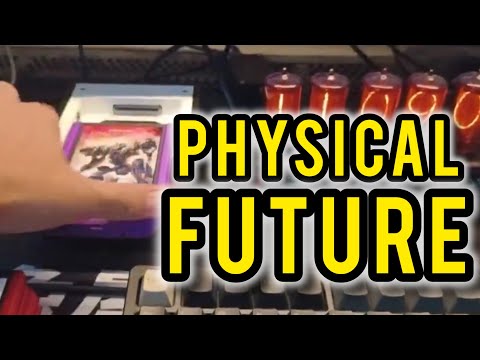
Rather than presenting a simple news recap, this video builds a broader argument that the gaming industry is steadily moving away from traditional ownership and toward increasingly restrictive digital licensing. Using PlayStation's reported decision to phase out physical game production as its central example, the presentation expands into discussions of pricing, digital storefronts, preservation, consumer rights, regional access, and the broader relationship between publishers and players.
The video's strongest quality is its clear sense of purpose. The creator consistently frames the discussion around ownership rather than treating each controversy as an isolated event. Previous issues involving PlayStation, Xbox, digital storefronts, account requirements, and physical media are tied together into a single narrative about increasing corporate control over purchased content. Even viewers who disagree with the overall conclusion are unlikely to struggle understanding the central argument because the presentation remains focused throughout.
The presentation is energetic and intentionally confrontational. Humor, exaggeration, sarcasm, and frequent analogies keep a lengthy discussion engaging, while examples such as used game sales, lending physical discs to friends, and displaying a physical collection illustrate why some players still value physical media beyond simple nostalgia. These examples help explain practical differences between physical ownership and digital licensing without relying entirely on abstract principles.
The creator also references several current industry events, including discussion surrounding the Stop Killing Games initiative, Sony's previous handling of digital purchases, PlayStation account controversies, and broader increases in hardware costs. These references provide useful context for why many players have become increasingly skeptical of digital-only ecosystems. However, the video generally presents these events through the lens of supporting its broader thesis rather than examining competing interpretations in equal depth.
Where the presentation becomes less convincing is in the distinction between documented facts and personal conclusions. Statements about physical discs allowing resale and lending are well-established characteristics of physical ownership, and the video accurately contrasts them with the licensing model commonly used for digital purchases. However, stronger claims—such as companies seeking complete control over consumers' libraries, intentionally creating monopolistic conditions, or being motivated solely by corporate greed—are presented as the creator's interpretation rather than demonstrated facts. Those arguments may resonate with viewers who already share the perspective, but they remain opinion-based conclusions rather than evidence established within the discussion itself.
Similarly, several predictions about future pricing, market behavior, and industry direction are speculative. The creator argues that eliminating physical competition will inevitably lead to permanently higher prices, fewer discounts, and reduced consumer choice. While these concerns are presented as logical consequences of a digital-only marketplace, the video does not provide comprehensive evidence demonstrating that each outcome will necessarily occur across the industry. Viewers should recognize these sections as forecasts rather than confirmed developments.
The pacing remains brisk despite covering numerous topics, although the repeated comedic insults and hyperbolic language occasionally overshadow the strongest factual points. Some sections revisit similar criticisms multiple times, making the latter portion feel more like an extended editorial than a steadily developing analysis. A slightly more measured presentation could have strengthened the overall persuasiveness without reducing the video's passion.
Pros
- Maintains a clear and consistent focus on digital ownership and consumer rights.
- Uses practical examples to explain differences between physical ownership and digital licensing.
- Connects multiple industry developments into a coherent overall discussion.
- Clearly communicates why physical media remains valuable for collectors, preservation, resale, and lending.
- Energetic presentation keeps a lengthy commentary engaging.
Cons
- Frequently presents personal interpretations and predictions alongside factual reporting without always separating the two clearly.
- Relies heavily on emotionally charged rhetoric and sarcasm, which may reduce its appeal for viewers seeking a more neutral analysis.
- Several conclusions about corporate motives and future market outcomes remain speculative rather than evidence-backed.
- Some arguments become repetitive as similar criticisms are revisited throughout the video.
This is an engaging and passionate editorial examining the ongoing shift from physical media to digital distribution in the video game industry. The creator effectively explains why many players are concerned about ownership, preservation, and consumer choice while grounding much of the discussion in recognizable industry events. At the same time, viewers should distinguish between established facts—such as how physical ownership differs from digital licensing—and the creator's broader conclusions regarding corporate intent and the future direction of the industry. Despite its confrontational tone and reliance on speculation in places, the video succeeds as a thought-provoking commentary on an issue that continues to generate significant debate among gamers.