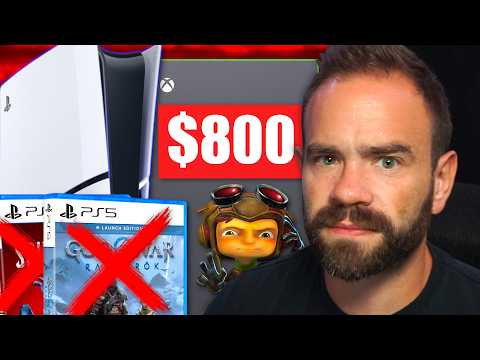
Rather than focusing on a single news story, this episode examines a series of gaming industry developments that all point toward one recurring theme: the growing tension between digital ownership and consumer control. Sony's reported move toward a disc-free future provides the central thread, but the discussion expands to emulator progress, account security, physical media preservation, industry layoffs, and several lighter gaming news stories. The result is a fast-paced roundup that balances comedy with commentary without losing sight of its main argument.
The opening segment effectively connects Sony's rumored long-term strategy with the increasing popularity of console emulation. Rather than presenting emulator development as a direct solution, the video frames it as a response from a community concerned about preserving access to games. Progress made by PS3 and PS5 emulation projects is presented as evidence that preservation efforts continue to advance, while avoiding claims that modern PlayStation emulation is already practical for everyday players.
One of the strongest portions of the video explores digital ownership through Microsoft's account recovery controversies. By comparing two reported cases involving lost digital purchases and compromised accounts, the discussion highlights how dependent players have become on online account systems. The video does not attempt to prove that these incidents represent the norm, but instead uses them to illustrate broader concerns about what consumers actually own when purchasing digital libraries. It clearly presents Microsoft's reported response to one case while also noting that the company later stated it was working to restore another affected account.
Humor remains a constant throughout the presentation. Rapid-fire jokes, self-aware commentary, and playful transitions prevent the news-heavy format from becoming overly serious. Even relatively technical subjects such as emulation, physical game preservation, and account recovery remain accessible because nearly every segment includes a lighthearted punchline without completely overshadowing the underlying story.
The Quick Bits section maintains an energetic pace by covering several unrelated gaming stories in succession. While none of these segments receive extensive analysis, they provide enough context for viewers to understand each topic before moving on. The variety keeps the episode engaging, although some viewers looking for deeper reporting may find the rapid transitions leave certain stories only briefly explored.
Because the video centers on current industry reporting, many of its discussions rely on reported claims, rumors, and publicly available information surrounding ongoing events. The presentation generally distinguishes confirmed developments from speculation, although the fast pace occasionally leaves little room for additional context or opposing viewpoints. Viewers interested in the full details behind each story may need to seek out the original reporting referenced by the hosts.
Pros
- Successfully ties multiple gaming news stories together through the common theme of digital ownership.
- Presents emulator progress as reported developments without overstating current capabilities.
- Explains digital ownership concerns through practical, real-world examples involving account recovery.
- Maintains an entertaining balance between informative reporting and comedy.
- Covers a wide variety of gaming industry news without feeling disorganized.
- Fast-paced presentation keeps the episode engaging throughout.
Cons
- Several news stories receive only brief coverage before moving to the next topic.
- Some reported claims are summarized quickly, leaving limited room for additional context.
- Frequent jokes may occasionally distract viewers seeking a more serious news presentation.
- Assumes viewers already have some familiarity with current gaming industry events and companies.
This episode succeeds by using one major industry concern—the gradual shift away from physical ownership—as the foundation for a broader discussion about game preservation, consumer rights, account security, and the future of digital libraries. The humor keeps the presentation lively while the reporting remains grounded in the events being discussed. Although some stories move by quickly and would benefit from deeper exploration, the overall package delivers an entertaining and thoughtful gaming news roundup that encourages viewers to think beyond the headlines and consider the long-term implications of an increasingly digital gaming landscape.