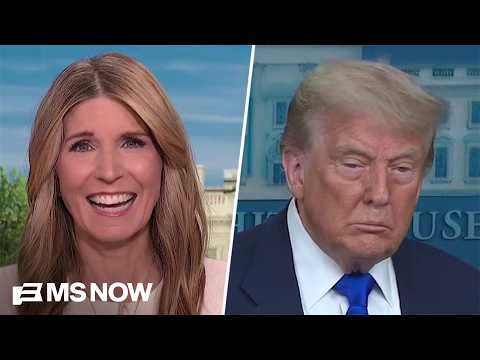
The strongest aspect of this political discussion is its effort to connect a wide range of current controversies into a larger argument about government power, institutional checks, and public accountability. Rather than focusing on a single event, the presentation moves through immigration policy, public health debates, legal disputes, and campaign finance concerns to argue that these issues represent a broader struggle over how authority is exercised. The result is an expansive and highly engaged discussion that clearly reflects the speaker’s perspective while encouraging viewers to pay attention to political developments.
A major strength of the presentation is the way it organizes numerous topics into a larger narrative about institutions and oversight. The discussion examines the Kennedy Center dispute, immigration enforcement, executive privilege, and financial transparency laws as examples of what the speaker views as attempts to expand executive influence. Many of these topics involve real policy debates and legal questions, although the video’s interpretations of motives and future consequences are presented as arguments rather than established conclusions.
The discussion of immigration policy is one of the most detailed sections, covering enforcement actions, detention practices, legal representation issues, and the treatment of temporary protected status recipients. The speaker emphasizes concerns about due process and government accountability, while viewers should recognize that specific claims about motivations, legality, and long-term outcomes involve political interpretation. The segment succeeds in highlighting areas of public debate, though it does not spend much time exploring arguments from officials or supporters of these policies.
The video also spends considerable time on public health issues, particularly changes involving vaccine policy and the role of Robert F. Kennedy Jr. The speaker argues that certain decisions could create confusion and reduce vaccination rates, referencing research and concerns about access. These claims are part of a broader criticism of the administration’s approach, but the presentation would be stronger with more direct discussion of competing perspectives and additional context around the scientific and policy debates involved.
Another notable section focuses on campaign finance, transparency, and the Corporate Transparency Act. The explanation of shell companies, financial oversight, and potential risks from anonymous money flows provides useful background for viewers unfamiliar with the subject. However, some of the discussion moves from documented policy changes into speculation about possible intentions, requiring viewers to separate confirmed actions from the speaker’s conclusions about why those actions are occurring.
The presentation style is conversational and energetic, with the speaker frequently connecting individual events to historical examples and encouraging civic involvement beyond national elections. The references to Watergate, local government, state elections, and redistricting provide a broader historical frame and emphasize the importance of participation at multiple levels of government. At the same time, the fast pace and large number of topics covered can make some sections feel compressed, leaving limited room for deeper examination of individual issues.
Overall, this is a strongly opinionated political analysis built around concerns about democratic institutions, accountability, and the concentration of power. It is most effective as a persuasive commentary that encourages engagement and awareness rather than as a neutral overview of current events. Viewers who approach it with an interest in political analysis will find many issues worth considering, while those seeking a balanced examination would benefit from comparing its arguments with additional sources and viewpoints.
Pros
- Connects many current political issues to broader themes of institutional accountability and government power.
- Provides accessible explanations of complex topics involving immigration, legal authority, and financial transparency.
- Encourages civic participation by emphasizing local elections, state governments, and public involvement.
- Uses historical comparisons to place current political conflicts within a wider context.
Cons
- Presents many political interpretations and predictions from a single viewpoint with limited opposing perspectives.
- Some claims about motivations and future outcomes are speculative rather than firmly established.
- Covers a very large number of topics, which sometimes limits deeper analysis of individual issues.
This is a detailed and passionate political discussion that succeeds in connecting individual events to larger questions about democracy and accountability. Its strongest value comes from encouraging viewers to examine institutions and participate in civic life, though its advocacy-driven approach means it is best viewed as commentary rather than a complete neutral analysis.