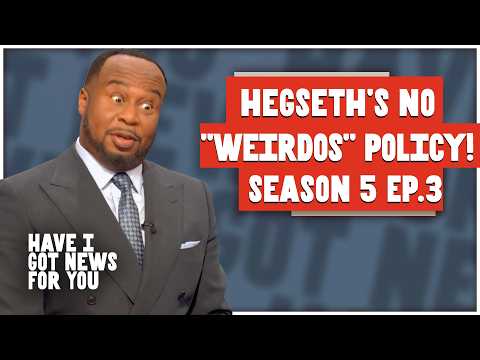
A protest song becomes the centerpiece of this commentary as the hosts examine a piece of political art that frames concerns about democratic institutions, presidential power, and the future of American elections. The discussion approaches the song less as a standalone creative work and more as a rallying point for viewers who share fears about threats to democratic norms. That framing gives the segment a clear emotional direction, though it also means the analysis often follows the assumptions of the song rather than separating its warnings from what has been proven.
The strongest part of the presentation is the enthusiasm with which the hosts engage with the material. They highlight the song’s structure, memorable delivery, and ability to summarize a wide range of political grievances in a short format. Their reactions show why political commentary built around culture can resonate with audiences, especially when a creative work transforms complicated issues into something immediately understandable.
However, much of the discussion moves quickly from interpretation into certainty. The hosts repeatedly suggest that current events represent a deliberate path toward a future political takeover, while some of those statements are predictions or opinions rather than established outcomes. The segment would have been stronger if it had more clearly separated documented events, legal disputes, and personal fears about possible future scenarios.
The conversation also spends significant time encouraging civic participation, including voting, monitoring elections, and documenting potential problems. Those themes provide a more constructive side to the discussion by moving beyond outrage and toward public engagement. The emphasis on citizens paying attention to democratic processes is one of the more grounded elements of the commentary.
The second half shifts into imagining a future administration after Trump leaves office, focusing on restoring institutions and reversing perceived damage. This section works effectively as an expression of hope and political vision, but it relies heavily on speculation about future events and assumes a particular electoral outcome. The emotional appeal is clear, though viewers looking for a more neutral examination may find the predictions one-sided.
The hosts’ chemistry and conversational style help maintain energy throughout the discussion. Their informal reactions create a sense of immediacy and make the segment feel like a passionate conversation rather than a formal political analysis. At the same time, the casual language and repeated agreement between speakers limit opportunities for deeper examination of opposing viewpoints or alternative interpretations.
Overall, the commentary succeeds as a piece of activist-oriented political media that captures the emotions of a specific audience. It is most effective when discussing the power of protest art and encouraging participation, but it becomes less persuasive when presenting uncertain political predictions as inevitable possibilities.
Pros
- Highlights how music and creative expression can simplify complex political concerns and inspire public discussion.
- Encourages civic participation through voting, awareness, and attention to election processes.
- Maintains strong energy through the hosts’ chemistry and passionate reactions.
- Connects current political debates with broader questions about institutions and democratic norms.
Cons
- Often presents predictions and interpretations as conclusions rather than clearly distinguishing them from established facts.
- Provides little exploration of opposing perspectives or alternative explanations.
- Relies heavily on emotional reactions, which can overshadow deeper political analysis.
This is an energetic piece of political commentary driven by urgency, emotion, and a strong belief in civic involvement. Its strongest moments come from discussing protest, participation, and the cultural impact of political expression, while its speculative claims reduce its effectiveness as a balanced analysis.