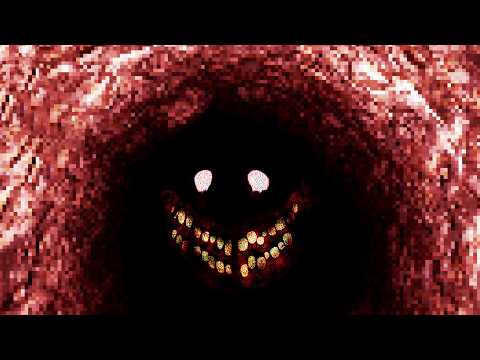
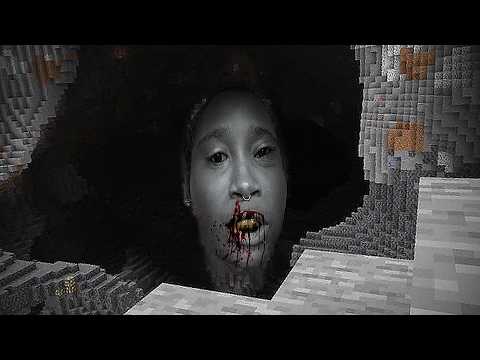
Freddy’s House transforms the familiar Five Nights at Freddy’s formula into an unusually convincing horror experience, using photorealistic environments, distorted camera effects, and unsettling animatronic designs to create an atmosphere that feels disturbingly authentic. The creator immediately focuses on the game's remarkable visual presentation, comparing its graphical leap to the differences between GTA 5 and GTA 6. Although the comparison is more enthusiastic than technical, it establishes the video's central argument that increasingly realistic graphics can fundamentally change how players experience familiar horror mechanics. The result is an entertaining showcase of a fan-made FNAF experience that relies as heavily on anticipation and atmosphere as it does on conventional jump scares.
The game's visual design provides its most immediate attraction. From the moment the creator enters Freddy's house, the environment resembles footage captured through an aging camera rather than a traditional video game. Distorted peripheral vision, grainy imagery, subdued lighting, and convincing environmental textures contribute to an oppressive sense of realism. The creator's repeated disbelief that he is controlling an actual game reinforces how effectively these visual techniques establish immersion. Particularly impressive are the animatronic models, which resemble physical costumes or deteriorating mascots rather than obviously computer-generated characters. However, the creator's enthusiasm sometimes substitutes for a more detailed examination of how these effects are achieved or whether they consistently improve the gameplay.
Beneath the elaborate presentation, Freddy's House maintains a relatively straightforward survival structure built around monitoring entrances and responding to approaching threats. Freddy can appear at multiple doors, Bonnie and Chica approach from opposite sides, Foxy requires attention through a camera monitor, and the Puppet introduces additional responsibilities involving a music box and rear window. Plushtrap adds another source of pressure through movement and audible warnings. These overlapping mechanics create a demanding routine in which players must interpret environmental cues while managing several threats simultaneously. The creator initially struggles to understand these systems, but his eventual discovery of the game's instructions makes the experience considerably easier to follow.
Sound design plays an equally significant role in establishing tension. Unexplained laughter, approaching footsteps, falling objects, distant screams, knocking, and other unsettling noises repeatedly interrupt the creator's attempts to maintain control. Rather than relying entirely on sudden attacks, the game creates uncertainty about which sounds signal danger and which merely contribute to the atmosphere. The creator's reactions to subtle movements and unfamiliar noises are particularly effective because they demonstrate how much psychological pressure can develop before an animatronic actually appears. His growing frustration with the constant anticipation helps communicate why such a mechanically simple game can still feel exhausting.
The strongest moments emerge when the creator must respond to multiple threats under pressure. Monitoring Foxy's glowing eyes through the camera, reacting to Chica's unexpected appearance, and discovering a large shadowy figure outside the window all produce memorable reactions. The unusually clear view of Chica becomes especially disturbing after so much of the experience has been filtered through blurry camera effects. These encounters offer a compelling demonstration of how realistic character models can intensify otherwise familiar FNAF scares. The creator's exaggerated commentary, particularly his complaints about the protagonist's movements and the absurdity of Freddy owning a house, provides welcome comic relief without completely undermining the tension.
Unfortunately, the presentation also exposes several frustrations with the game's design. Character movements are repeatedly described as painfully slow, with lengthy animations making ordinary interactions feel unnecessarily cumbersome. The creator becomes particularly irritated by the exaggerated crouching movement required to operate a button, especially when multiple threats demand immediate attention. Limited visibility also makes it difficult to distinguish certain objects and enemies, while the absence of an obvious in-game tutorial leaves him confused about important survival mechanics. Although some confusion contributes to the horror, the combination of unclear instructions, sluggish interactions, and visual distortion occasionally makes the challenge feel less intuitive than it should.
The video's entertainment value ultimately comes from the contrast between the game's simple objectives and the creator's increasingly overwhelmed reactions. His commentary remains energetic throughout, moving naturally between admiration, nervous laughter, frustration, and genuine surprise. Successfully surviving until 6 a.m. provides a satisfying payoff, followed by a brief examination of the disturbing animatronic designs. However, the discussion remains primarily a first-impression playthrough rather than a comprehensive evaluation. The repeated emphasis on realism, occasional interruptions, and limited exploration of the game's broader mechanics prevent the presentation from developing into a particularly detailed review. Nevertheless, it effectively demonstrates how strong visual and audio design can make an established horror formula feel threatening again.
Pros
- The photorealistic environments and distorted camera effects create an unusually convincing and oppressive horror atmosphere.
- The creator's opening comparison between graphical generations establishes an accessible framework for discussing the game's visual realism.
- The detailed animatronic designs make familiar FNAF characters appear more physically believable and intimidating.
- The varied audio cues create sustained psychological tension without requiring constant jump scares.
- The explanation of Freddy, Bonnie, Chica, Foxy, the Puppet, and Plushtrap helps viewers understand the game's overlapping survival mechanics.
- The creator's spontaneous reactions and humorous commentary provide entertaining relief from the increasingly stressful gameplay.
- The successful completion of the night delivers a satisfying conclusion while demonstrating how tension builds through repeated interactions.
Cons
- The creator repeatedly praises the graphics without examining their technical qualities or limitations in much detail.
- The lack of an immediately accessible tutorial leaves important mechanics unexplained until the creator consults the game's external instructions.
- The protagonist's sluggish animations create frustrating delays that can interfere with responding to approaching threats.
- Heavy visual distortion and blurry camera feeds occasionally make important gameplay information unnecessarily difficult to interpret.
- Repeated expressions of disbelief and frustration sometimes replace more substantive observations about the game's design.
- The presentation offers limited exploration beyond the completed night, leaving the game's broader content and replay value largely unexamined.
Freddy's House delivers an impressively atmospheric interpretation of FNAF horror, proving that realistic environments, disturbing character designs, and carefully timed audio cues can make straightforward survival mechanics remarkably effective. The creator's energetic reactions make the experience entertaining and communicate its intensity, even when repetitive commentary and limited analysis restrict the video's critical depth. Despite frustrating movement mechanics and occasional confusion, this remains an engaging showcase of how photorealistic presentation can breathe new life into familiar horror gameplay.