The video presents a fast-moving discussion of reported developments surrounding U.S.–Iran negotiations, the Strait of Hormuz, oil prices, and stock market performance, framing them as interconnected events with potentially significant economic consequences. Rather than offering a detailed geopolitical analysis, it approaches the story from the perspective of breaking political commentary, emphasizing how financial markets appear to react to each new headline. The presentation is energetic and conversational, with a strong sense of urgency that keeps the pace moving even as multiple developments are introduced in quick succession.
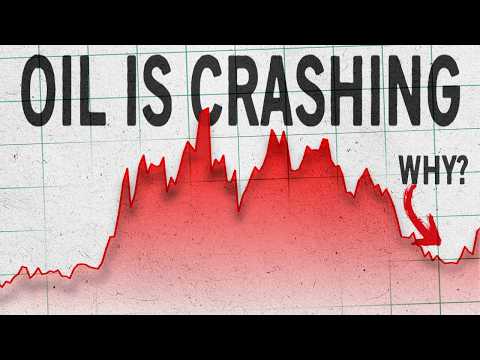
A central strength is the way the commentary links geopolitical events to practical economic indicators such as crude oil prices, gasoline costs, and the performance of the S&P 500. The host repeatedly explains why investors might respond positively to signs of reduced tensions and why disruptions to shipping through the Strait of Hormuz matter for energy markets. While these market interpretations are presented confidently, they remain largely explanatory rather than deeply analytical, leaving limited room for competing economic factors that could also influence prices or investor sentiment.
The discussion relies heavily on reported diplomatic developments, including references to negotiations involving Iran, Oman, and the United States, along with remarks attributed to senior American officials. Because these negotiations are described while still unfolding, many statements are necessarily presented as possibilities rather than confirmed outcomes. The strongest parts of the presentation acknowledge this uncertainty by using language about drafts, proposals, and ongoing talks, though the video's dramatic framing sometimes creates a stronger sense of certainty than the underlying information fully supports.
The presentation becomes more speculative when discussing potential military consequences and political strategy. Statements about deadlines, threatened military action, and possible diplomatic breakthroughs are woven into an entertaining narrative that favors momentum over careful verification. For viewers following current events, this creates an engaging viewing experience, but it also requires distinguishing between reported statements by public officials and predictions about what will happen next. The video generally reports political rhetoric as such, although its enthusiastic tone occasionally blurs the line between expectation and established fact.
The latter portion shifts from financial markets to a broader political discussion about U.S. military interventions, immigration, Afghanistan, and nongovernmental organizations. This segment takes the form of an interview and debate rather than a fact-driven analysis, with participants expressing opinions about historical events, government policy, and national security. Many of these claims involve complex political and historical subjects that remain contested, making it important for viewers to recognize them as arguments presented by the speakers rather than settled conclusions supported within the video itself.
Production-wise, the video succeeds at maintaining momentum through constant transitions between market updates, political reporting, interview excerpts, and commentary. The host's energetic delivery and willingness to connect disparate stories help sustain viewer interest throughout. At the same time, the rapid pacing leaves little opportunity to explore evidence in depth or examine alternative interpretations, meaning the video functions more effectively as opinion-driven news commentary than as a comprehensive examination of the issues it raises.
Pros
- Clearly connects geopolitical developments with oil prices, gasoline costs, and stock market reactions in an accessible way.
- Maintains an energetic presentation that keeps complex current events engaging and easy to follow.
- Distinguishes ongoing negotiations as developing situations by frequently referring to proposals, talks, and reported discussions.
- Includes an extended interview segment that introduces differing viewpoints on foreign policy and national security rather than relying solely on the host's narration.
Cons
- Dramatic presentation and urgent framing can make uncertain or developing events feel more definitive than the available information supports.
- Political and historical arguments in the interview section receive limited scrutiny or contextual evidence, leaving viewers to evaluate substantial claims on their own.
- Rapid transitions between financial markets, diplomacy, and domestic politics reduce the depth devoted to each topic.
This is an engaging piece of political and market commentary that effectively explains why international developments can influence financial markets while maintaining a lively pace throughout. Its strongest qualities are accessibility and energy, but its emphasis on immediacy and opinion sometimes comes at the expense of nuance and careful examination of complex geopolitical claims.