Iran’s reported retaliation against vessels in and around the Strait of Hormuz gives the presentation an immediately consequential focus. The host says Iran’s IRGC Navy targeted three tankers allegedly using unauthorized routes and three additional U.S.-linked vessels after U.S. forces struck three Iranian crude carriers. He supplements that account with footage attributed to the IRGC and reads extensively from an Iranian statement, which at least gives viewers the stated rationale behind the retaliation rather than reducing the development to a vague claim that Iran “fired back.”
The discussion is less careful about establishing what has actually been independently verified. Assertions about six vessels being hit, “visual confirmation,” U.S. strikes on Iranian tankers, attempted attacks on American carriers and the circumstances surrounding navigation through the strait are delivered rapidly and confidently, but the presentation does not walk viewers through independent sourcing, damage assessments or competing accounts. Iranian military footage and statements can document what Iran claims to have done, but they are not by themselves neutral confirmation of every operational detail attributed to the attacks.
There is useful specificity when the host turns to the military dimension. He identifies the Khalij Fars anti-ship ballistic missile, gives an approximate 300-kilometer range and connects that capability to the potential threat against a carrier strike group in the Arabian Sea. Yet these details would be more informative with clearer sourcing and a stronger distinction between demonstrated attacks, reported attempted attacks and hypothetical capabilities. In a rapidly escalating conflict, those distinctions matter considerably.
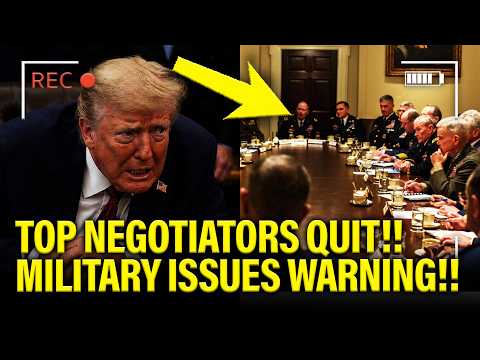
Donald Trump’s own recorded remarks provide some of the segment’s strongest primary material. Clips show him describing the confrontation as a “military conflict,” characterizing 18 U.S. deaths as relatively small compared with previous wars, claiming that the United States has essentially taken over Iran and discussing the possibility of striking Pickaxe Mountain. The host is on firmer ground when allowing those statements to speak for themselves, although surrounding commentary frequently moves from reporting what Trump said into overtly hostile characterization rather than measured analysis.
The presentation becomes substantially less disciplined as it progresses. Iranian propaganda videos mocking Trump are shown alongside commentary about Trump’s hair and speculation about whether he is wearing a wig, an extended diversion that contributes nothing to understanding the Strait of Hormuz confrontation. A later discussion of Jared Kushner and Steve Witkoff meeting Vladimir Putin similarly substitutes ridicule and labels such as “illegitimate” and “sycophants” for a substantive examination of what the Moscow meeting might mean diplomatically.
That partisan style is not hidden, and viewers seeking forceful anti-Trump commentary may find the delivery energetic and engaging. The host moves quickly, uses clips frequently and keeps the escalating sequence of claimed U.S. action, Iranian retaliation and political reaction easy enough to follow. But the same urgency encourages sweeping language and insufficient verification at precisely the moment when careful attribution would be most valuable.
Overall, there is a potentially important breaking-news report at the center of the segment, supported by relevant statements, military footage and presidential clips. Its usefulness is limited by the failure to consistently separate independently established developments from Iranian claims, along with increasingly personal political commentary that distracts from the military and geopolitical questions raised at the beginning.
Pros
- Clearly lays out the claimed sequence connecting U.S. strikes on Iranian tankers with Iran’s reported retaliation against six vessels.
- Uses primary-source material from the IRGC and recorded remarks from Donald Trump rather than relying entirely on paraphrase.
- Provides useful military specificity by identifying the anti-ship missile Iran reportedly employed and explaining its stated range.
- Captures the seriousness of an escalating confrontation around a strategically important shipping route.
Cons
- Treats several fast-moving battlefield and maritime claims as established without demonstrating sufficient independent verification.
- Does not consistently distinguish Iranian military claims and propaganda footage from independently confirmed evidence.
- Highly partisan descriptions of Trump, Kushner, Witkoff and their activities weaken the analytical credibility of the reporting.
- Speculation about Trump’s hair and extended mockery of the Moscow meeting distract from the much more consequential Strait of Hormuz developments.
Important primary material and a coherent account of the claimed escalation make this useful as a snapshot of one side’s rapidly developing narrative, but the presentation needs considerably more verification and disciplined attribution to function as strong conflict reporting. Partisan digressions further dilute what could have been a focused examination of Iranian retaliation, maritime risk and the possibility of broader escalation.