Mark Carney’s refusal to accept a U.S. trade arrangement he considered inadequate gives the segment a substantial political and economic conflict to examine. Extended clips allow him to explain Canada’s stated red lines, including cultural protections, the ability to negotiate with other countries, competitive treatment for automobile, steel and aluminum industries, and concern that tariff concessions could later be withdrawn. Those details make the strongest portion of the presentation considerably more informative than its inflammatory framing suggests.
Carney also presents a broader economic strategy rather than limiting his response to retaliation. His emphasis on domestic industrial capacity, diversified international trade and reducing dependence on the United States gives viewers a coherent picture of how his government wants to respond. His comments about the integrated North American auto sector and Canada’s role as a customer for U.S.-built vehicles are particularly useful because they move the discussion beyond slogans about simply “winning” a trade dispute.
Additional clips from Tim Hodgson and Mélanie Joly reinforce that diversification theme. Hodgson describes overseas interest in Canadian energy and frames electricity, LNG and resource development as opportunities to strengthen Canada rather than merely punish the United States. Joly similarly stresses manufacturing capacity, international partnerships and attracting researchers. Whether those ambitions ultimately succeed is not established here, but presenting multiple Canadian officials gives the audience a clearer sense of the government’s coordinated message.
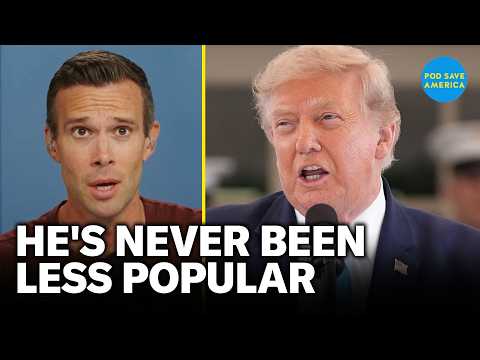
The discussion becomes much weaker when the host turns political interpretation into certainty. Claims that Canada created 75,000 jobs while the United States lost 23,000, that Carney enjoys record approval and that Trump has the worst presidential approval in U.S. history are delivered without sourcing or context. Economic and polling comparisons can depend heavily on time period, methodology and definitions, so they require more substantiation than the segment provides.
The same problem appears in the treatment of foreign policy. Carney’s remarks about Vladimir Putin and Ukraine are shown at length and clearly represent his own position, but the host surrounds them with highly charged assertions about Trump, Russia, Iran and U.S. officials without developing evidence for those claims. Declaring Carney the new “leader of the free world” is plainly rhetorical rather than analytical, and it further blurs the distinction between reporting what Canadian officials said and celebrating them politically.
Presentation is the segment’s largest weakness. Insults such as “lunatic,” “psychotic,” “disgusting” and repeated attacks on Trump’s character overwhelm the potentially valuable trade discussion. The closing sequence becomes especially excessive, abandoning analysis almost completely for partisan denunciation, declarations about what “most American people” supposedly believe, channel promotion and a book advertisement. Viewers sympathetic to the host may find the energy entertaining, but it reduces the credibility and usefulness of an otherwise substantive collection of political clips.
Pros
- Uses lengthy remarks from Carney that clearly lay out Canada’s stated trade red lines and economic strategy.
- Provides specific discussion of automobiles, steel, aluminum, forestry, culture and tariff durability rather than relying entirely on generic political rhetoric.
- Includes comments from several Canadian officials, giving viewers a broader picture of the government’s diversification and industrial policy message.
- Carney’s emphasis on building domestic capacity and expanding international trade gives the segment a substantive policy argument to examine.
Cons
- Major claims about employment, approval ratings and American public sentiment are presented without sourcing or methodological context.
- Relentless insults and partisan celebration repeatedly overwhelm the underlying economic and diplomatic issues.
- Commentary about Trump, Russia and Iran often moves from interpretation to asserted fact without enough evidence.
- Calling Carney the effective leader of the free world is rhetorical advocacy rather than serious political analysis.
- The lengthy promotional ending weakens an already unfocused conclusion.
Canada’s trade response provides enough concrete policy substance to support a worthwhile discussion about tariffs, industrial capacity and economic diversification. The extensive official clips are informative, but the host repeatedly undermines them with unsupported claims, sweeping generalizations and intensely partisan commentary that substitutes celebration for analysis. A more disciplined presentation could have made the same political case far more convincingly.