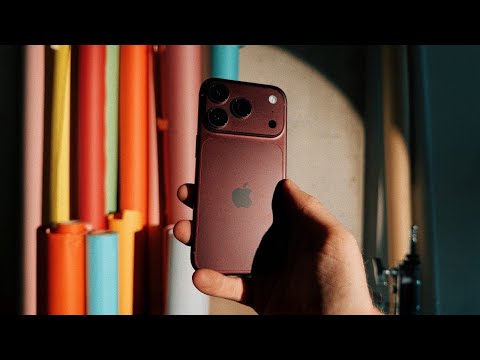
Apple’s Ceramic Shield 2 emerges as one of the clearest durability successes here, with the iPhone 18 Pro screen scratching at level seven and showing deeper grooves at level eight. That result is presented as confirmation of the same unusually strong scratch resistance seen in the previous generation rather than a new improvement. The flame test is similarly reassuring within the narrow limits of the demonstration: roughly 25 seconds of direct heat leaves no permanent visible damage to the display.
The new variable-aperture main camera provides the most interesting technical diversion from the destructive testing. A microscope offers a genuinely useful close look at six aperture fins opening and closing together, making the mechanical system much easier to understand than specifications alone would. The under-display infrared hardware used for Face ID also gets a microscopic inspection through the screen pixels, although the discussion of privacy or anti-glare protectors potentially interfering with it remains framed as a rumor rather than something actually tested.
Material testing establishes an aluminum frame, metal buttons and a plastic section around the camera plateau that is explained as allowing wireless signals to pass more readily. Scraping the rear surfaces with assorted objects produces what initially looks like extensive damage, only for most of the marks to brush away as material transfer rather than permanent scratching. That is a practical distinction for owners worried about keys and coins, though the sharp camera-plateau edges are identified as an area where anodizing could still chip.
Structural strength is equally convincing within the familiar bend-test format. Despite the claimed presence of a larger vapor chamber, the phone remains rigid under substantial manual pressure without visible deformation or separation. Calling drops the only thing that will hurt it is obviously broader than this testing can establish, but the central result is clear: nothing demonstrated here reveals an obvious structural weakness in the chassis.
Much of the entertainment comes from the relentless jokes about the burgundy finish and Apple adopting technologies years after Android manufacturers. Variable aperture, under-display camera hardware and charging speed all become opportunities for that running gag, while the phone’s color inspires an escalating series of deliberately unflattering comparisons. The delivery keeps a routine sequence of scratching, scraping, heating and bending lively, although viewers looking for a neutral examination of Apple’s engineering may find the Android-versus-Apple commentary increasingly repetitive.
The biggest limitation is that relatively little of the iPhone 18 Pro’s durability story appears meaningfully different from its predecessor. The screen material is described as unchanged, the display specifications are almost identical, and several camera components are carried over. The sponsor segments also occupy substantial space and are closely tied to the testing narrative, particularly when screen protection and drop vulnerability transition directly into Dbrand products. Even so, the close-up photography, straightforward material demonstrations and decisive bend result make this an informative physical examination rather than merely a comedy routine built around destroying an expensive phone.
Pros
- Scratch testing gives a clear result for Ceramic Shield 2 and confirms strong resistance to visible scratching.
- Microscope footage provides an excellent look at the variable-aperture mechanism and under-display infrared camera area.
- Rear-panel testing usefully distinguishes removable material transfer from permanent surface damage.
- The bend test provides a simple, convincing demonstration of the phone’s structural rigidity.
- Humor keeps a familiar durability-test format energetic and accessible.
Cons
- The under-display Face ID concern involving certain screen protectors is mentioned but not actually tested.
- Repeated jokes about Apple following older Android features sometimes overwhelm the hardware analysis.
- Several major components are described as essentially unchanged, limiting how much new durability information the test can uncover.
- Sponsor promotion takes up a substantial portion of the screen-protection and drop-resistance discussion.
- The claim that drops are effectively the phone’s only remaining threat goes beyond what the demonstrated tests can establish.
The iPhone 18 Pro comes through an entertaining sequence of scratches, heat and bending with its structural reputation intact, while the microscopic examination of its variable aperture supplies the most worthwhile new technical material. Familiar hardware and heavy sponsor integration limit the depth of the evaluation, but the testing remains visually clear, practical and unusually good at showing exactly what happens to the phone’s surfaces under abuse.