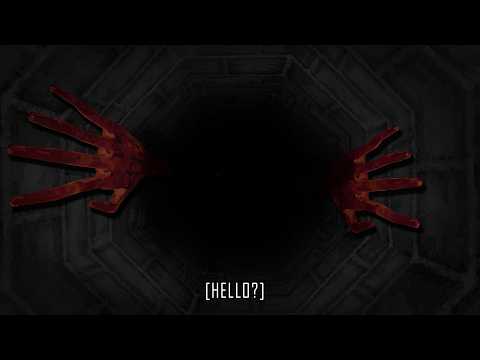
A small plant shop, a collection of unusually fast-growing seeds, and a town haunted by a 30-year-old curse provide the foundation for an unexpectedly elaborate horror experience. What begins as a relaxing business simulator gradually transforms into a supernatural mystery involving missing residents, suspicious customers, and something terrifying growing beneath the building. The enthusiastic playthrough captures that transformation particularly well, combining genuine appreciation for the game's cozy atmosphere with increasingly nervous reactions to its disturbing discoveries.
The early gameplay establishes an appealing routine of preparing flower arrangements, growing plants, serving customers, and earning money for shop upgrades. Orders become progressively more complicated as new varieties are introduced, including Calathea, Monstera, cacti, succulents, and carnivorous plants. The creator's enjoyment of these mechanics feels genuine, particularly when discovering upgrades that automate soil placement or improve watering efficiency. His experimentation with crafting shortcuts and resource management also demonstrates how the game builds satisfaction through simple, repetitive tasks without making the experience feel entirely mechanical.
Much of the entertainment comes from the unusual customers who visit the shop. An arrogant businesswoman repeatedly insults Sylvia, a flirtatious stranger becomes increasingly threatening, and a mysterious farmer distributes seeds with suspicious properties. Other encounters provide welcome humor, including a customer who mistakes the plant shop for a restaurant, a cat exchanging a dead rat for cat grass, and an unexpected visit from Santa Claus. The creator's animated commentary makes these interactions entertaining, although his frequent jokes, profanity, and exaggerated reactions occasionally compete with the game's dialogue rather than complementing it.
The horror develops effectively through details that initially seem easy to dismiss. Strange eyeballs appear around the property, lights flicker without explanation, plants behave unnaturally, and customers begin disappearing. News broadcasts gradually reveal the seriousness of the situation while the shop's ordinary business continues almost uninterrupted. The creator repeatedly checks security cameras, questions suspicious encounters, and anticipates jump scares, helping establish a sense of unease even during relatively peaceful activities. Some scares rely on sudden appearances and startling noises, but the larger mystery gives those moments more significance than they would have in isolation.
One of the game's most distinctive qualities is its willingness to move beyond the central shop. Visits to Sylvia's home and a pizzeria introduce additional environments, ordinary daily activities, and unsettling encounters that expand the story's scope. The restaurant sequence, where a strange figure approaches while Sylvia eats pizza, is particularly memorable because it turns an otherwise harmless activity into a source of tension. Seasonal changes, including snowfall and Christmas decorations, further strengthen the atmosphere. The creator consistently notices these environmental touches, and his appreciation helps communicate why the game feels more ambitious than a typical single-location night-shift horror experience.
The final stretch brings the scattered clues together through a basement discovery involving a rapidly growing humanoid plant, the town's recurring curse, and the disturbing purpose behind Sylvia's successful business. The confrontation with the obsessive stranger adds a more personal threat before the supernatural explanation reveals how the shop has been supplying victims to an entity known as Mother. The creator initially obtains an ending in which Sylvia destroys the creature and burns the shop, then returns to explore the alternative outcome. That second ending is especially effective, revealing Sylvia's eventual participation in the same cycle of deception that originally trapped her. His decision to demonstrate both endings significantly improves the playthrough by exposing the story's central moral choice and its consequences.
Despite the strong experience, several aspects of the presentation could be more focused. The creator occasionally struggles with remembering orders, locating objects, interpreting instructions, and understanding the purpose of collectible eyeballs. His unsuccessful attempt to find all six eyeballs leaves a potentially important secret unresolved, while repeated crafting sequences sometimes slow the momentum as the mystery becomes more urgent. Certain narrative developments, particularly the characters' connections to the curse, also receive limited examination because the commentary frequently shifts back toward jokes or immediate gameplay reactions. Nevertheless, the excitement remains convincing throughout, and the closing enthusiasm feels earned by the substantial variety, atmosphere, and satisfying endings demonstrated.
Pros
- The combination of relaxing plant-shop management and escalating supernatural horror creates an engaging contrast that sustains interest throughout the playthrough.
- Varied customers, humorous dialogue, and increasingly suspicious encounters give the shop a memorable personality while advancing the mystery.
- Crafting progression, new plant varieties, and useful equipment upgrades provide satisfying gameplay development alongside the story.
- Additional environments, seasonal changes, security cameras, and unsettling background details make the experience feel more expansive than a conventional night-shift horror simulator.
- The creator's energetic reactions and genuine enthusiasm communicate both the game's cozy charm and its frightening moments.
- Exploring both major endings reveals the disturbing cycle behind the plant shop and gives the narrative a satisfying sense of completion.
Cons
- Repetitive order preparation occasionally slows the pacing, particularly once the supernatural storyline becomes more compelling.
- Frequent profanity, exaggerated jokes, and unrelated commentary sometimes distract from important dialogue and atmospheric moments.
- Confusion over crafting instructions, missing objects, and the six collectible eyeballs leaves some gameplay elements insufficiently explored.
- The mysterious characters and their connections to the larger story could benefit from more deliberate analysis during the playthrough.
The Plant Shop delivers an impressive combination of cozy simulation, unsettling horror, memorable characters, and a supernatural mystery that becomes increasingly rewarding as its secrets emerge. The creator's infectious enthusiasm, appreciation for environmental details, and decision to explore both endings make this an especially entertaining showcase, even when occasional confusion and repetitive tasks interrupt the momentum. With its creative premise, varied locations, and disturbing narrative payoff, this stands out as a highly enjoyable horror gaming experience.