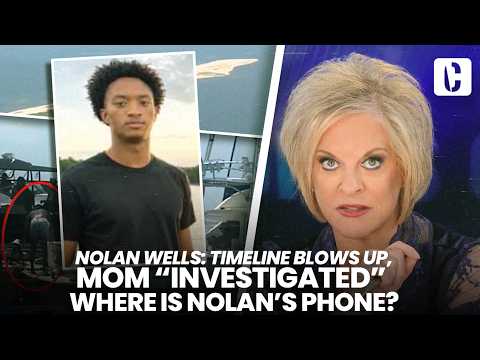
A newly surfaced witness account becomes the central focus as questions continue surrounding the circumstances of Nolan Wells’ death. The discussion examines the possibility that an altercation occurred on Horn Island before Wells entered the water, with attention placed on whether the witness’s account, any available footage, and the existing timeline could provide meaningful answers. Rather than presenting the claim as settled fact, the coverage repeatedly frames it as a lead that requires verification.
The strongest part of the discussion is its focus on how evidence should be tested. The conversation highlights important investigative questions, including whether the witness actually provided information to law enforcement, whether any footage exists, and whether timestamps could help establish where people were at specific moments. Those questions are relevant because a witness account alone does not automatically establish what happened or connect an argument to a death.
The panel also spends considerable time examining the reliability of eyewitness testimony. The debate over whether the witness had been drinking, how far away she was, whether she could clearly identify individuals, and what exactly she observed reflects real challenges investigators face when evaluating statements. However, the repeated focus on possible alcohol use sometimes overshadows other important factors, such as the content and quality of any video evidence.
The discussion of forensic issues provides another layer of analysis, particularly around whether a physical fight would be expected to leave signs of injury. Experts on the program explain that investigators would look for evidence consistent with blunt force trauma or defensive injuries, while also noting that the available information does not provide a complete picture. Because the official findings discussed remain limited, the segment appropriately leaves many conclusions unresolved.
The conversation about the grand jury and possible criminal investigation adds context about how cases can proceed when authorities are still gathering evidence. The segment correctly emphasizes that public speculation and online claims are not substitutes for verified information. At the same time, some of the discussion relies heavily on unconfirmed reports and unnamed sources, making it difficult for viewers to separate established developments from rumors.
The examination of boat searches and timeline evidence raises reasonable questions but does not fully resolve them. The panel debates whether GPS information, witness statements, and boat movements can establish a complete sequence of events. The discussion is useful in showing how investigators piece together a timeline, though it sometimes becomes repetitive as different guests revisit the same uncertainties.
Overall, the coverage succeeds as a crime-analysis discussion because it presents multiple perspectives and repeatedly returns to the need for evidence. Its biggest limitation is that much of the conversation centers on possibilities rather than confirmed developments, leaving viewers with more questions than answers. The segment is most effective when explaining investigative standards, and less effective when exploring speculative theories.
Pros
- Raises important questions about how eyewitness accounts, video evidence, and timelines should be evaluated.
- Includes discussion of forensic considerations and the challenges of determining what happened from incomplete information.
- Shows the difference between public speculation and evidence that can be presented in an investigation.
Cons
- Relies heavily on unverified claims and unnamed sources that cannot be independently evaluated within the discussion.
- Repeats some arguments about witness credibility without adding much new analysis.
- Provides limited resolution because many key facts remain unavailable.
This is a thoughtful but unresolved examination of a developing investigation, with its strongest moments coming from the focus on evidence standards and investigative process. The discussion offers useful context for understanding how leads are evaluated, but its reliance on unconfirmed information limits how definitive its conclusions can be.