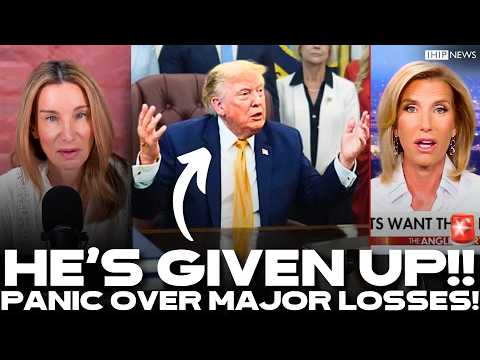
Donald Trump’s preference for loyalty over independent expertise becomes the central explanation offered for a wide range of problems, from economic policy to military leadership. Michael Wolff repeatedly argues that Trump surrounds himself with people who flatter him because genuinely independent subordinates would expose his own limitations. That thesis gives the discussion a clear through line, particularly when the conversation turns to Pete Hegseth, RFK Jr. and officials tasked with navigating interest rates, foreign policy and institutional management.
The analysis is most persuasive when it focuses on incentives and organizational behavior rather than trying to diagnose personalities from afar. Wolff’s argument that an underqualified leader may remove experienced subordinates who undermine his authority is coherent, and the hosts use Hegseth’s relationship with senior military officers as their clearest example. Their broader point—that competence can deteriorate when personal loyalty becomes the primary hiring criterion—is worth considering regardless of one’s politics. However, much of the discussion treats inferred motives as established facts, especially when attributing insecurity, jealousy or deliberate self-protection to Trump and members of his administration.
Economic policy provides one of the more substantive sections. The hosts explain the political attraction of lower interest rates while also noting the inflationary risks of easing policy too aggressively, and they correctly frame monetary policy as more complicated than simply ordering rates downward. Yet the discussion quickly shifts from explaining those tradeoffs to asserting that Trump is simply incapable of understanding them. That may be Wolff’s judgment, but the episode offers little direct evidence establishing what Trump does or does not comprehend beyond his public preference for lower rates.
The foreign-policy discussion raises genuinely serious questions about leadership during simultaneous international crises. Concerns about military readiness, experienced officers leaving, relations with Russia and the demands placed on Pentagon leadership all deserve scrutiny. The problem is that the hosts frequently move between confirmed developments, unnamed-source reporting, speculation and psychological interpretation without consistently marking the boundaries between them. A CIA trip to Moscow, for example, becomes a springboard for several possible motives even while the speakers acknowledge that they do not actually know what was discussed.
Pete Hegseth receives especially aggressive treatment. His experience and fitness for running the Pentagon are legitimate subjects for examination, and the hosts make a relevant distinction between tactical military service and the enormous strategic and managerial demands of leading the Defense Department. But repeated references to him as “Colonel Vodka,” along with claims about his drinking and competence, push the segment toward ridicule. Similar comments about Trump’s body, posture and weight contribute little to the political analysis and make the presentation feel less disciplined than its strongest institutional arguments deserve.
The RFK Jr. section is more focused because it connects a specific policy dispute—vaccination and measles—to the larger theme of political ambition overriding expertise. The hosts clearly reject his approach and characterize it as knowingly opportunistic, but that claim about motive remains an interpretation rather than something demonstrated here. More importantly, medical assertions and disease statistics are delivered confidently without supporting sources or meaningful explanation, which is a notable weakness given the seriousness of public-health claims.
Presentation is energetic, conversational and frequently funny, but also highly digressive. Extended birthday banter, discussion of Dolly Parton, awards, Trump’s playlist and Natalie Harp’s personal circumstances adds personality while consuming substantial time that could have been spent developing evidence for the central argument. The chemistry between the hosts keeps the episode moving, yet the constant insults and speculative asides make it difficult to separate informed analysis from gossip. As political commentary, it is vivid and opinionated; as a rigorous account of why Trump chooses particular advisers, it remains far more interpretive than demonstrative.
Pros
- Maintains a clear central argument about loyalty, competence and the organizational consequences of surrounding a leader with compliant subordinates.
- The interest-rate discussion usefully identifies the political appeal of cheaper borrowing alongside inflation and economic-stability risks.
- Raises legitimate questions about whether senior national-security positions require experience and independence beyond personal loyalty to a president.
- Acknowledges uncertainty at several points, particularly regarding the purpose and substance of the CIA director’s reported Moscow visit.
- Strong conversational chemistry and humor keep a long discussion relatively engaging.
Cons
- Psychological claims about Trump, Hegseth, RFK Jr. and others are frequently presented with much greater certainty than the evidence supplied supports.
- Serious political, military and medical claims often rely on assertion, unnamed conversations or statistics without enough sourcing or context.
- Personal mockery involving appearance, sexuality, drinking and intelligence repeatedly distracts from more substantive institutional criticism.
- Speculation about motives sometimes becomes indistinguishable from factual reporting despite the hosts occasionally admitting that key details are unknown.
- Lengthy digressions about birthdays, celebrities, playlists and personal gossip dilute the central case.
- The overwhelmingly adversarial framing leaves little room for testing alternative explanations for appointments, policy decisions or political strategy.
The discussion offers a coherent and sometimes insightful argument that excessive loyalty tests can produce weak decision-making and discourage competent advisers from exercising independence. Its impact is reduced by unsupported psychological certainty, personal ridicule and an uneven distinction between reporting, interpretation and speculation. As combative political commentary it is entertaining and pointed, but viewers looking for a carefully evidenced examination of presidential staffing and governance will need substantially more corroboration.