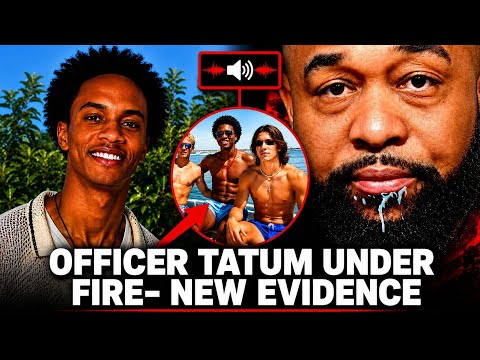
The strongest aspect of this episode is that it recognizes a genuine problem in modern true crime coverage: public attention can become detached from the people at the center of a tragedy. The discussion begins by criticizing online speculation, fake reports, and the rush to turn a grieving family’s situation into content. That concern is valid and gives the video an important foundation, particularly as it argues that unanswered questions deserve careful attention rather than immediate dismissal.
The presentation then shifts into a lengthy examination of Dr. Umar Johnson’s commentary and the questions he raises about Nolan Wells’ death. The review of those claims is framed around a distinction between what is known and what is alleged, which is one of the more responsible elements of the episode. The video repeatedly notes that charges have not been filed and that accusations require evidence, although much of the runtime is still dedicated to theories that remain unverified.
A major focus is the timeline surrounding the boating trip, the people who were present, Nolan’s missing phone and keys, the emergency call, and the actions of those involved afterward. These are legitimate areas for public scrutiny in any unexplained death investigation, and the video does a good job identifying why certain details have drawn attention. However, raising a question is different from establishing a conclusion, and the discussion frequently moves from possible inconsistencies to implied explanations without presenting independent evidence that confirms those interpretations.
The handling of the emergency call is one of the episode’s most significant sections. The video highlights disputed interpretations of background audio, statements made during the call, and uncertainty about the number of people on the boat. Those details may warrant examination by investigators, but the analysis relies heavily on interpretations of unclear information. Without verified audio analysis or official findings, the conclusions presented remain possibilities rather than established facts.
The episode also spends substantial time discussing broader issues of race, historical injustice, law enforcement trust, and the role of national activists in high-profile cases. This context helps explain why the case has generated strong emotions and why some viewers may question the investigation process. At the same time, the connection between broader historical patterns and the specific circumstances of Nolan Wells’ death requires careful evidence, and the video sometimes treats that connection as more certain than the available information supports.
The commentary style is passionate and emotionally driven, which may appeal to viewers looking for advocacy-focused coverage rather than a detached investigation. The speaker consistently emphasizes the need for transparency and accountability, but the repeated use of definitive language around unproven scenarios creates tension with the episode’s stated goal of separating facts from speculation. A stronger approach would have spent more time identifying what investigators have actually confirmed, what remains unknown, and what evidence would be needed to support each theory.
The video’s most valuable contribution is its insistence that unanswered questions should not be ignored and that families deserve clear communication during difficult investigations. Its biggest weakness is that the same urgency that drives the search for answers sometimes leads the discussion beyond what the available evidence can establish. The result is a piece that is compelling as commentary but less reliable as a factual examination of an unresolved case.
Pros
- Raises legitimate concerns about misinformation, online exploitation, and the impact of speculation on grieving families.
- Clearly identifies unanswered questions involving the timeline, emergency response, and investigative process.
- Acknowledges the difference between allegations and confirmed findings at several points.
- Highlights the importance of transparency and public accountability in unresolved death investigations.
Cons
- Frequently presents theories and interpretations as more likely than the available evidence demonstrates.
- Relies heavily on disputed claims and unclear details without enough independent verification.
- The emotional and historical framing sometimes overshadows the need for case-specific evidence.
- Gives limited attention to alternative explanations or information that could contradict the theories discussed.
This episode succeeds as an example of passionate true crime commentary that highlights why unresolved cases generate public concern. Its strongest moments come from questioning gaps in information, but its conclusions often move faster than the evidence allows. It is engaging and thought-provoking, though viewers should approach its claims carefully and distinguish unanswered questions from proven facts.